Anime Neon Signs for Otaku Rooms & Gaming Setups
The otaku room has its own physics: figures on the shelf, posters at eye level, the collection displayed like a museum, and the whole room lit like the source material — which means glowing. Anime neon signs are the genre’s native decor: the medium’s own aesthetic (the glow of a transformation sequence, the neon of a Tokyo backstreet, the screen-light of every episode ever watched at 2 a.m.) rendered as the room’s actual light.
Why the Genre Runs on Glow
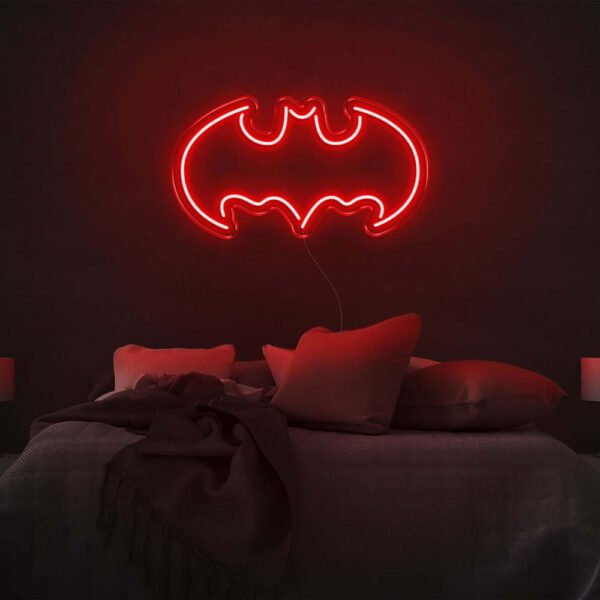
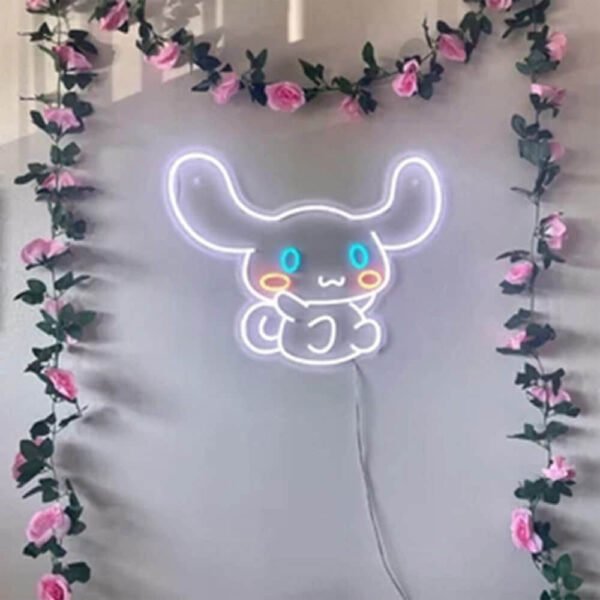
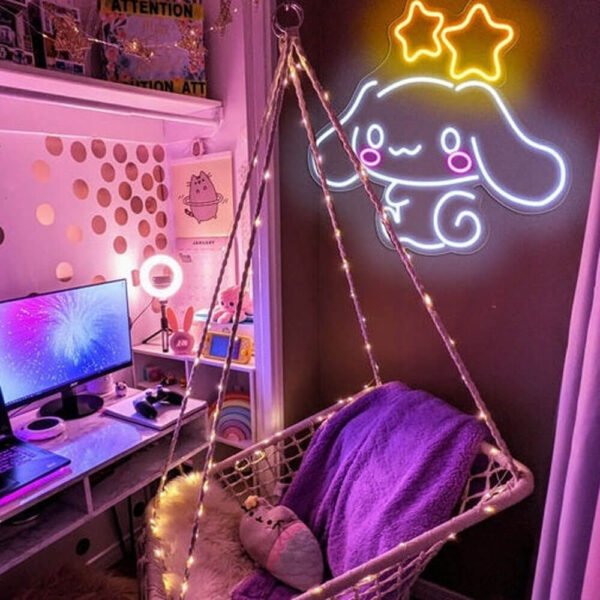
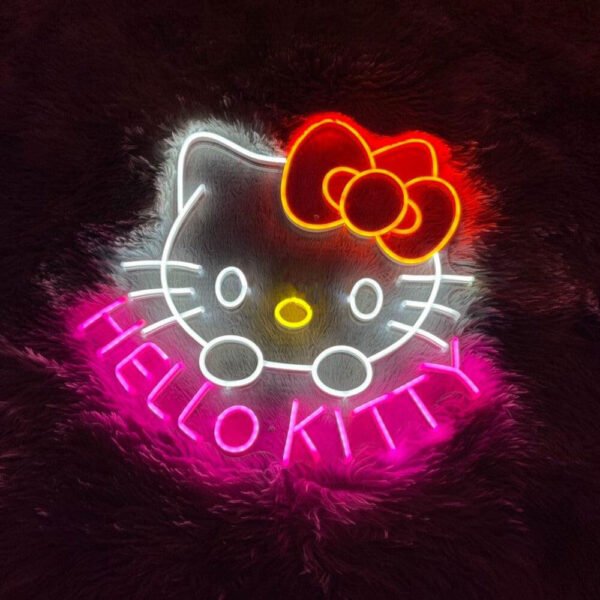
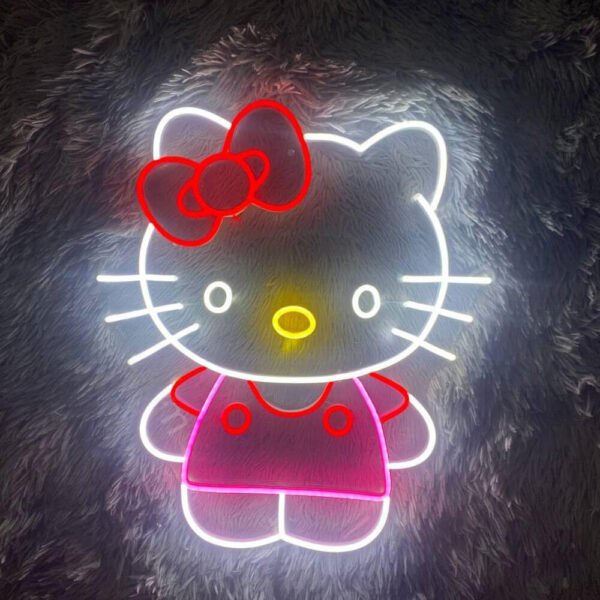
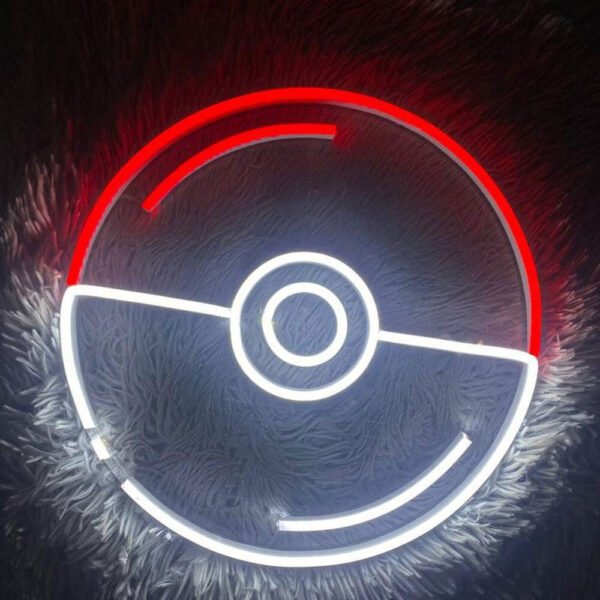
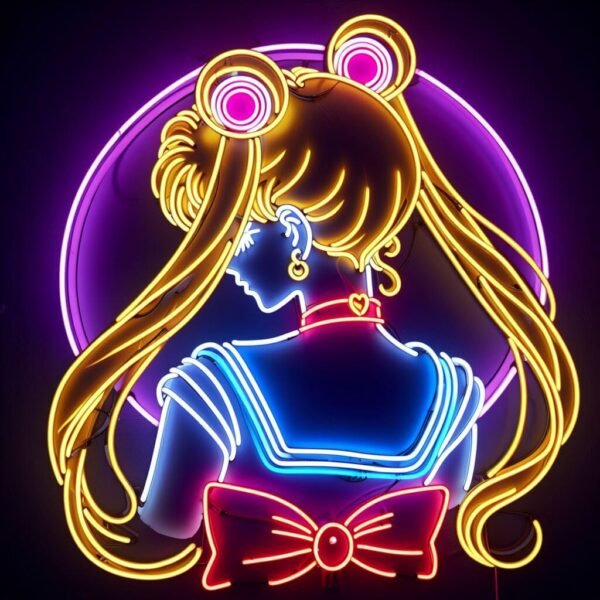
Anime’s visual language has always leaned on light: the neon-lit city (the genre’s signature urban register, from cyberpunk classics to modern slice-of-life night scenes), the glowing transformation and power-up sequences, and the palette that treats luminosity as an emotion. The otaku room that borrows the aesthetic wants the room itself to glow — the display shelf lit like the scene it’s quoting. The category page tier (our anime collection) runs the fan-favorite builds: the Pokemon electric tier at $184, Sailor Moon ($351) for the magical-girl register, One Piece ($343) for the pirate-crew faith, Hello Kitty ($170) for the Sanrio tier, and Batman ($193) with Cinnamoroll ($155) rounding the crossover and kawaii registers.
The Otaku Room’s Four Zones
The display shelf — the figures’ lighting: the sign behind or above the collection, the glow turning the shelf into the scene; this is the genre’s canonical neon position, the display-and-light pairing the whole aesthetic runs on. The viewing corner — the watching spot’s mood light: the sign at the screen’s flank, the room reading as the anime’s own night scene; the gaming room guide covers the screen-adjacent positioning. The manga wall — the library tier: the sign over the volumes, the collection’s lamp. The kids’ anime phase room — the current generation’s turn: the Pokemon tier, the Sanrio register, the kids room guide covering the safety notes.
The Pairing Logic: One Glow, Many Figures
The otaku room’s discipline is the collection’s: one sign per wall, and the sign serves the collection rather than competing with it. The strongest builds run the sign as the room’s ambient register (the Tokyo-night glow) with the figures front-lit — the collection is the content, the neon is the light. The register split: the yellow-electric tier (Pokemon), the pastel tier (Sanrio), the moonlight tier (the magical-girl register), and the crossover tier (the Western-comics-in-anime-style builds). Customs — your favorite character, your era’s title, your waifu tier rendered in glow — preview free in the customizer.
Building the Tokyo-Night Register: The Otaku Room’s Lighting Science
The otaku room’s signature look has a name in the community — the Tokyo-night register — and it has engineering behind it. Layer one, the ambient: the sign as the room’s base glow, running the city-at-night palette (the pink-and-blue the genre’s urban scenes canonized) at the low-to-mid dimmer; this is the room’s permanent register, the glow that makes the figures’ shadows long. Layer two, the display light: the shelf tier — LED strips or spots front-lighting the figures (the collection’s own lighting, separate from the sign) so the contents read in full color under the ambient mood; the two-layer stack is what separates the museum from the storage room. Layer three, the screen: the viewing corner’s monitor or TV, the genre’s own native light. The three-layer discipline keeps the room from the single most common otaku-room failure — the dark shelf under the bright sign, where the collection (the room’s whole point) sits in shadow while the wall glows. The room that runs all three layers reads as the scene; the gaming room guide covers the screen-tier positioning and the kids room guide the age-tier notes for the family builds.
FAQ About Anime Neon Signs
Why do anime rooms look so good with neon?
Because the source material runs on light — the neon-lit city register, the glowing transformation sequences, the palette that treats luminosity as emotion. The room with the sign looks like the scene; the room without it looks like a bedroom with posters.
What’s the best position for the sign in an otaku room?
The display shelf — the sign behind or above the figures, the collection lit like the scene it’s quoting; it’s the genre’s canonical position. The viewing corner (at the screen’s flank) runs second; the gaming guide covers the screen-adjacent rules.
Which fandoms are available?
The collection tier runs Pokemon, Sailor Moon, One Piece, Hello Kitty, Cinnamoroll, and the Batman and Spiderman crossover builds — with the custom tier rendering fan-favorites beyond the stock; preview free in the customizer.
Is this a kids’ thing or an adult collector’s thing?
Both generations run it: the kids’ current-phase rooms (the Pokemon and Sanrio tiers) and the adult collector’s display (the whole aesthetic was built by the generation that never put it away). The register shifts by what’s under the light.
How much does the genre cost?
The category runs $155–351 — the Sanrio and kawaii tier at the friendly end, the magical-girl and pirate-crew marks at the detail-premium end; the cost guide has the logic. The Tokyo-night glow, at figure-budget pricing.
How long does the otaku room’s sign last?
Years — LED construction is rated in tens of thousands of hours, and the evening-session duty is gentle service; the longevity guide has the math. The collection-specific note: keep the sign’s UV-free glow a friend to the figures (LED runs UV-free where sunlight doesn’t — one of the medium’s quiet advantages over the window), and the display ages at the collector’s preferred rate.
One sign or several for a big collection?
One per wall, sequenced by zone: the display shelf’s Tokyo-night ambient, the viewing corner’s flank light, the manga wall’s library tier — each room-zone gets one glow, and the three-layer stack (ambient, display, screen) does the rest. Multiple signs on one wall reads as retail; one per zone reads as designed.
What’s the budget build for a first otaku room?
The entry tier: one sign (the $155–194 Sanrio-and-crossover range) plus the LED strip for the figure shelf — the two-layer Tokyo-night stack at under $250 total, the room reading as the scene before the collection even grows. The premium tier (the $343–351 marks) waits for the collection that deserves them; the cost guide has the logic.
How do I light figures without washing the sign?
The two-source discipline: the sign as the room’s ambient (low-to-mid dimmer, the mood layer) and the shelf’s own front-lighting (the small strips, the display tier) carrying the figures’ full color. The sign sets the mood, the shelf lights the content — washing them together is the single most common otaku-room lighting mistake.
How much power does the Tokyo-night stack draw?
Candle-grade per layer — the sign, the shelf strips, and the screen’s own draw add up to less than the gaming PC idles at; the electricity guide has the numbers. The three-layer register runs every evening for less than a ramen per week.
The Bottom Line
Anime neon signs are the otaku room’s native light — the genre’s own luminous aesthetic rendered as the collection’s lamp. Start with the Pokemon electric tier or the Sailor Moon register, light the shelf like the scene, and let the room glow like the source.