Naruto Neon Sign: The Hidden Leaf Wall Guide
Few fandoms hang on their walls the way Naruto fans do. The story’s iconography — the leaf symbol, the swirling Uzumaki spiral, the eyes that see chakra, the red clouds of the story’s most infamous organization — was drawn bold and flat, which is exactly why it translates to neon so well: the designs already read at a glance, and in light they read at a glow. The series’ two-decade run means the fandom spans generations now, and the wall pieces span them too.
This is the Naruto neon canon: the icons, the formats, the room logic, and where the pieces live best. The wider anime collection lives at anime neon signs; the gaming-adjacent rooms at gaming room ideas.
The Icons
The Hidden Leaf symbol — the village’s leaf-and-spiral mark: the fandom’s most recognizable single glyph, and the piece that needs no caption — the symbol reads as the story’s whole world to anyone who knows it.
The Uzumaki spiral — the red spiral on its own: the clan-and-protagonist mark, the minimalist’s Naruto piece — the icon that carries the story in one swirl (the shape logic).
The character portraits — the protagonist’s silhouette, the rival’s, the mentor’s: the figure tier, custom-built (preview) — the pieces that date themselves to specific arcs, proudly.
The Sharingan eye — the red wheel-eye glyph: the story’s most-drawn single design element, and one of neon’s best eye-catchers — the icon that reads mysterious even to the uninitiated (the eye tier for the color physics).
The Akatsuki clouds — the red-cloud-on-black register: the story’s antagonist organization’s mark — strong enough to carry its own guide.
The headband piece — the village’s metal plate rendered in glow: the fandom’s wearable icon, wall-mounted — the piece that photographs like cosplay.
The Formats
The icon tier — the glyphs (leaf, spiral, eye, clouds) at 18–30 inches: the entry wall’s pieces, the ones that cluster well (the gaming-corner logic).
The phrase tier — “Believe It!” or the story’s mantras: the quote pieces — the tiers that need the fandom’s fluency and reward it.
The portrait commissions — the characters in line art (the customizer): the flagship wall’s centerpieces — the custom route that every deep fandom eventually takes.
The arc-specific customs — the moment, the jutsu, the scene: the commission tier’s ceiling — the pieces that mean one thing to the household that knows exactly what it means.
The Room Logic
The Naruto wall runs the anime-room system with this fandom’s specifics: the gaming crossover (the Fortnite-era and Storm-gaming households run the pieces beside the gaming setup — the dual-wall identity), the generation span (the story ran long enough that the parents’ wall and the kids’ wall run the same icons — the rare cross-generational fandom register), and the palette’s discipline (the story’s iconography is red-orange-dominant — the walls that read best run one red icon as the anchor and resist the full-cast pile).
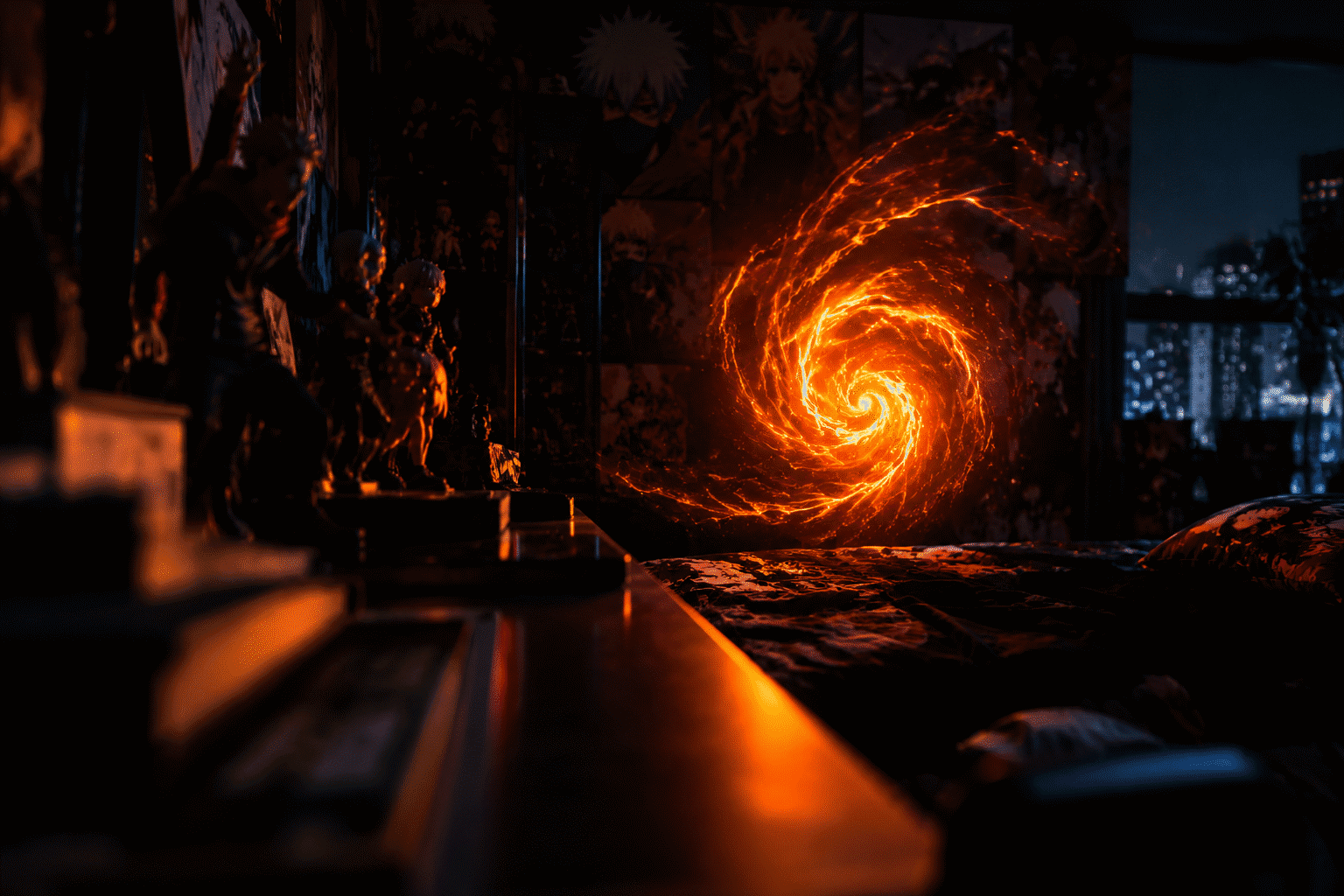
The hanging logic covers the mounting; the gamer canon covers the identity pieces’ placement; the sibling fandoms (One Piece, Dragon Ball) cover the crossover walls the multi-shrine households run.
The Gift Logic
The Naruto piece is the anime-gift canon‘s most reliable entry: the icons are instantly legible to the recipient, the tiers span budget ($60 stock icons through $300 portraits), and the fandom’s intensity means the piece lands harder than its price suggests (the gift logic). The safe order: the leaf or spiral icon for the casual-to-mid fan, the character commission for the deep one, the arc-specific custom for the one who knows.
The Fandom’s Wall: Deep Versus Display
The Naruto fandom’s wall runs two depths, and the pieces differ by tier. The display wall (the fandom’s public face): the Hidden Leaf symbol, the headband piece, the palette-disciplined compositions – the icons that read to the world; the display wall runs $100-300, the entry icons and the universal glyphs, the pieces that survive the mixed-company room. The deep wall (the fandom’s private fluency): the arc-specific commissions, the jutsu pieces, the organization tiers (the Akatsuki guide) – the icons that read only to the initiated; the deep wall runs $200-600, the commissions and the specific devotions (the custom logic).
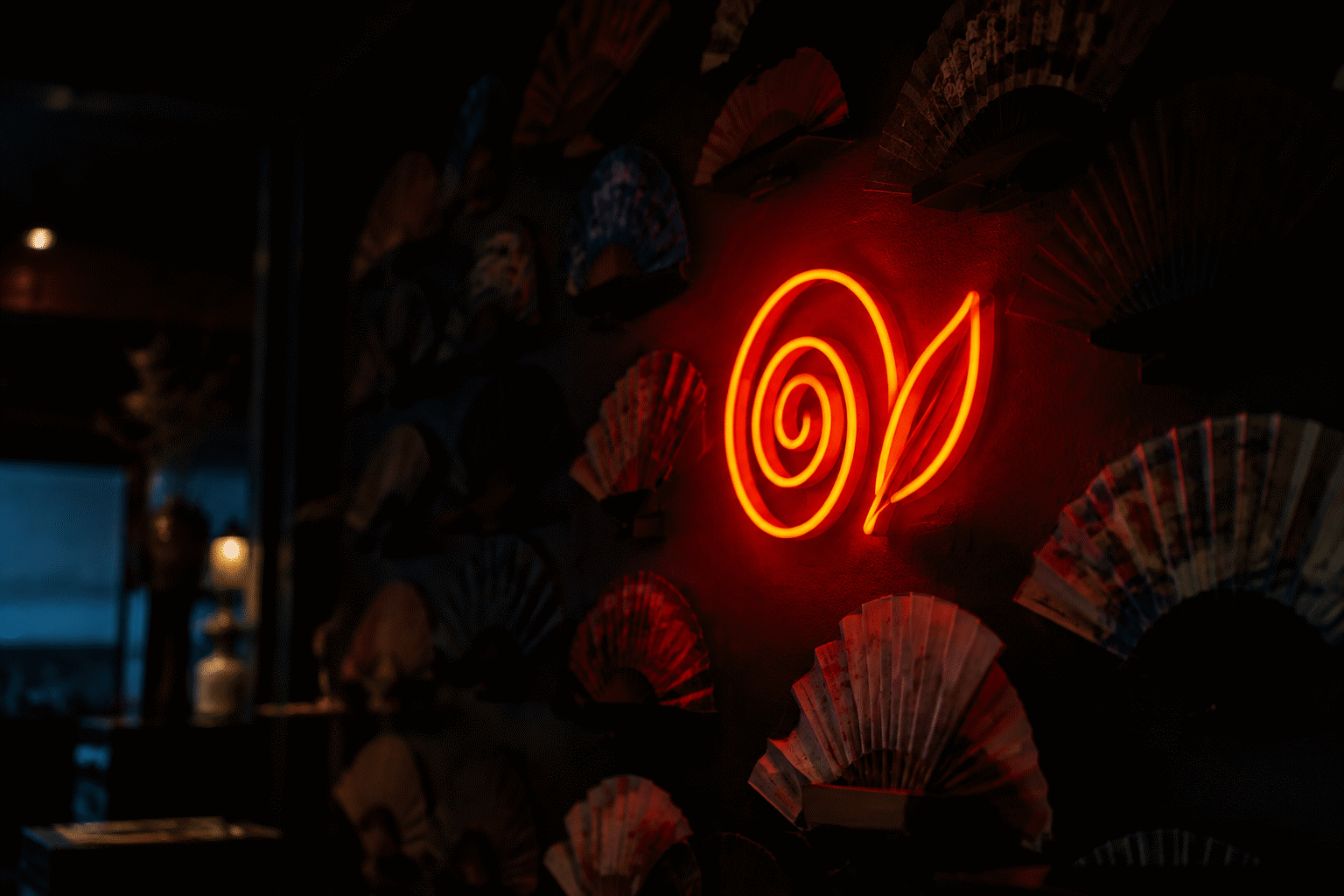
The two walls’ coexistence: the deep-fandom household runs both (the display wall in the shared spaces, the deep wall in the private ones) – the register’s public and private faces, the fandom’s bilingualism (the gaming-room crossover for the rooms that host both).
The palette’s discipline, restated: the Naruto iconography runs red-orange dominant (the headband’s metal, the Sharingan’s wheel, the Akatsuki’s clouds) – the wall that reads best runs one red anchor and resists the full-cast pile (the color logic). The full-cast wall (every character’s icon at every color) is the fandom’s version of the merch rack – the discipline that separates the shrine from the store (the display logic).
FAQ About Naruto Neon Signs
What’s the best Naruto neon sign? The Hidden Leaf symbol or the Uzumaki spiral — the two icons that carry the whole story in one glyph (the anime canon). The Sharingan for the dramatic tier; the portrait commission for the flagship wall.
Can I get a custom Naruto neon sign? Yes — the custom route builds the characters, the jutsu, the arc moments (preview): the line-art conversions the fandom’s best walls run. Sizes and quotes preview before the build.
Where should a Naruto sign go? The gaming-corner crossover wall or the anime shrine wall — the dual-identity rooms this fandom runs (the logic). One red anchor icon per sightline; the rest clusters.
Are Naruto neon signs good gifts? The fandom’s intensity makes them land hardest-per-dollar (the gift logic): the icon tier for the casual fan, the commission for the deep one. The two-decade fandom span covers ages 12 to 40.
What is the best Naruto neon sign? The Hidden Leaf symbol or the Uzumaki spiral – the two glyphs that carry the whole story (the canon above): the icon tier that reads at any budget, to any fandom depth. The Sharingan runs the dramatic tier; the Akatsuki cloud runs the villain aesthetic’s own guide; the character portrait (preview) runs the flagship commission. The palette’s discipline: the red-orange-dominant registers (the story’s native colors), one anchor per sightline, the full-cast pile resisted – the shrine that follows the discipline reads the fandom; the pile reads the store.
How much does a Naruto neon sign cost? The icon tier runs $60-180 (the leaf symbol, the spiral, the Sharingan glyph); the phrase tier runs $100-250 (the mantras and the “Believe It!” register); the portrait commissions run $200-450 (preview) (the anime tiers context). The fandom’s two-decade span makes the icons the safest gift tier – the pieces that read to every generation of fan, at every budget, on every wall (the gift logic).
Is a Naruto neon sign a good gift? The two-decade fandom makes it one of the anime category’s safest: the icon tier’s can’t-miss pieces (the leaf symbol, the spiral – the glyphs that read to every generation of fan, at the $60-180 entry brackets), the connoisseur tier’s knowing pieces (the Akatsuki cloud – the icon that signals the depth), and the commission tier’s personal pieces (the arc moments, the characters – preview) (the gift logic). The gift’s age span runs twelve to forty (the fandom’s generational width), and the intensity-to-price ratio runs the category’s top tier – the $80 icon that lands like the $300 commission, on the right wall, at every generation.
Which Naruto arcs get the best sign treatment? The recognizable-at-a-glance test favors three registers: the Hidden Leaf symbol (instantly legible to anyone who’s seen a single episode), Sasuke’s fan crest, and short jutsu names like “Rasengan” in action-script font. Long quotes and character portraits read as clutter at wall distance — the fandom’s visual language is iconographic, and the pieces that hold their wall are the ones that respect it.
How do anime signs age as fandoms cool? The icons outlast the hype: a leaf symbol or a silhouette piece survives a fandom’s quiet years as clean graphic design, while the specific moment-in-time pieces (a particular fight quote, a seasonal catchphrase) date the wall to a window. If the collection is likely to rotate, standardize the mounting hardware across pieces — the successor series’ sign should hang where this one did, on the same two anchors.
The Hero Wall vs the Villain Wall
The Naruto fandom’s two registers, compared:
| Decision axis | The hero wall (the Hidden Leaf tier) | The villain wall (the Akatsuki tier) |
|---|---|---|
| The icons | The leaf symbol, the spiral, the headband | The red cloud, the Sharingan’s dark register |
| The palette | The warm neutrals and the orange accents | The red-on-dark, the monochrome supports |
| The room physics | The standard registers (the household’s bands) | The dark-room protocol (the 30% menace) |
| The display read | The public face (the display tier – the logic above) | The private fluency (the connoisseur’s tier) |
| The brightness | The room’s normal arc | The deliberate dim (the aesthetic’s requirement) |
| The keeper weight | The symbols (the story’s constants) | The cloud (the aesthetic’s constant) |
The two walls’ shared canon: the story’s iconography running red-orange-dominant (the palette discipline above), the one-anchor composition (the shrine’s discipline), and the fandom’s generational span (the icons reading to every age of fan).
The two walls’ combination – the hero-and-villain pairing (the leaf and the cloud at matched scale) – runs the story’s whole tension in two glyphs (the counterpart logic): the warm-neutral register honoring the one, the red-on-dark honoring the other, and the wall that carries both carrying the story’s real subject – the line between them.
Sources & Further Reading
- Mercury (U.S. EPA) — federal guidance on mercury exposure and safe handling.
- Neon sign (Wikipedia) — the consolidated public record of neon-sign history and technology.
Pricing based on CustomNeon’s current catalog (2026); custom quotes come live from the sign builder.