Blog
Grateful Dead Neon Sign: Bears, Bolts, Roses
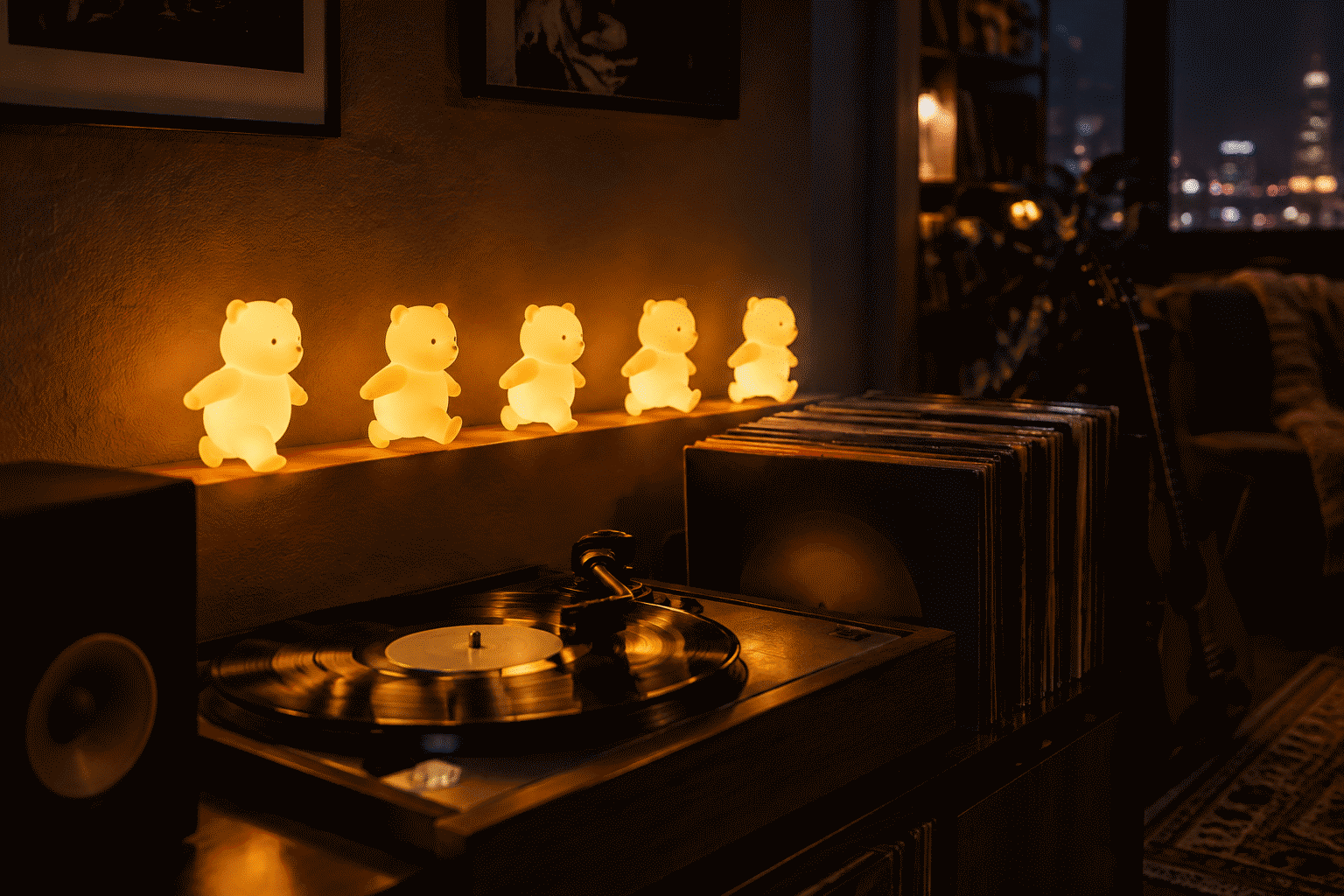
No band built a better visual universe. Over thirty years of touring, the Grateful Dead accumulated an icon set that most brands never earn: the dancing bears, the steal-your-face skull, the rose-crowned skeleton, the terrapin — a whole bestiary, drawn by a handful of artists, carried by generations of fans who never needed the band’s name on any of it. A Grateful Dead neon sign is the rare fan piece that works as pure design: the icons carry the meaning, and the meaning is joy.
This guide covers the icon set and how each piece renders in glow, the culture the wall is actually displaying, the rooms the register owns, and the fan-styled custom route.
The Icon Set: What Glows
The dancing bears. The friendliest entry point — the row of marching bears from the 1973 album art, rendered in their familiar colors (or any colors; the bears forgive). In neon, the bear row is the register’s most giftable piece: small, round, instantly readable, and the one Dead icon that works in a room that doesn’t otherwise announce itself. A five-bear run at 24–30 inches is the standard build.
The stealie (the skull-and-lightning). The thirteen-point lightning bolt through the skull — the band’s most famous mark, from the 1976 album cover. In neon it is the register’s power piece: the bolt gives the design its energy (neon renders the strike line beautifully — it is literally a lightning-shaped tube), and the skull gives it the weight. Red bolt on white skull, or the full-color build — the stealie carries the flag for rooms that want the deep-cut recognition.
The rose-crowned skull. The “Skull and Roses” mark from 1971 — the skeleton wearing the crown of roses, the band’s own memento-mori-and-beauty composition. In glow: the skull outline in warm white with the roses in pink or red — a two-color custom and the register’s most beautiful piece. (Our general skull guide covers the shape’s wider design mechanics.)
The terrapin and the rest. The turtle with the top hat, the dancing skeletons, the jester — the deep-cut tier for the longtime faithful. Custom territory, one-of-one builds, and the pieces that start conversations with exactly the right people.
What the Wall Is Actually Displaying
The honest context, because it explains the icon set’s endurance:
- The live-tape culture. The band’s famous taping sections — the designated zones where fans recorded shows and traded the tapes for decades — built the most generous fandom in rock history. The icons were the trading community’s heraldry: a bear in a rear window meant you could probably get a copy of last night’s show.
- The thirty-year tour. From 1965 to 1995, the band toured more or less continuously — one of the longest single runs in American music. The icons accumulated meaning the way a flag does: seen from a highway, they meant a community, not a product.
- The intergenerational handoff. The fandom reproduced: the kids of deadheads now run the tape-trading archives online, and the bears appear on onesies and dissertations alike. The icon set survived because it detached from the band’s career and attached to the culture’s values — generosity, musical adventure, and an unembarrassed love of dancing badly.
The wall piece inherits all of it. This is why the Dead register reads warm rather than loud: the icons mean welcome.
The Rooms
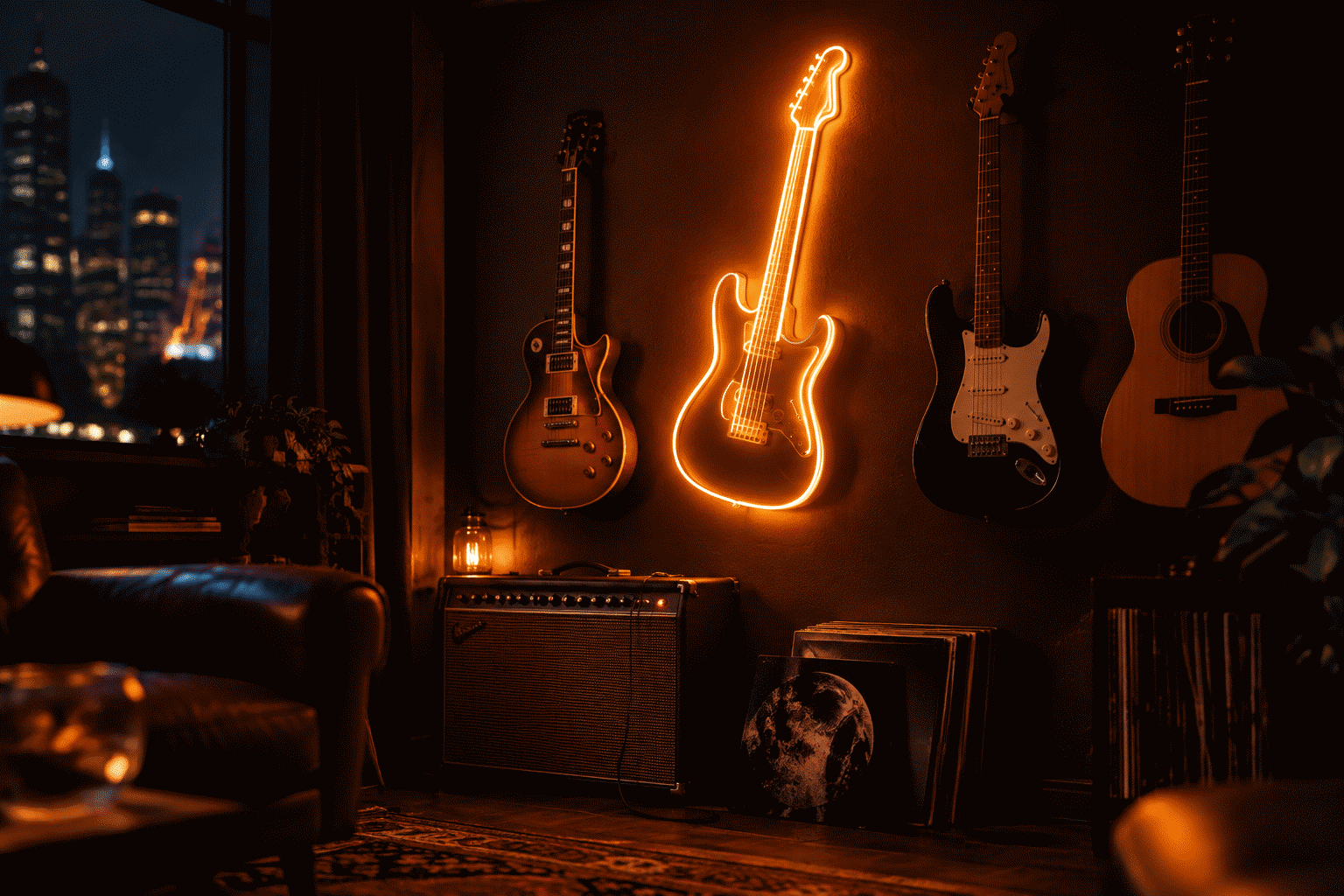
The music den (the native habitat). The Dead wall among the instruments and the records: the stealie or bear row over the listening chair, in the room’s warm register. Our music ideas guide covers the wider wall; the guitar piece is the natural companion — the band was, after all, a guitar band first.
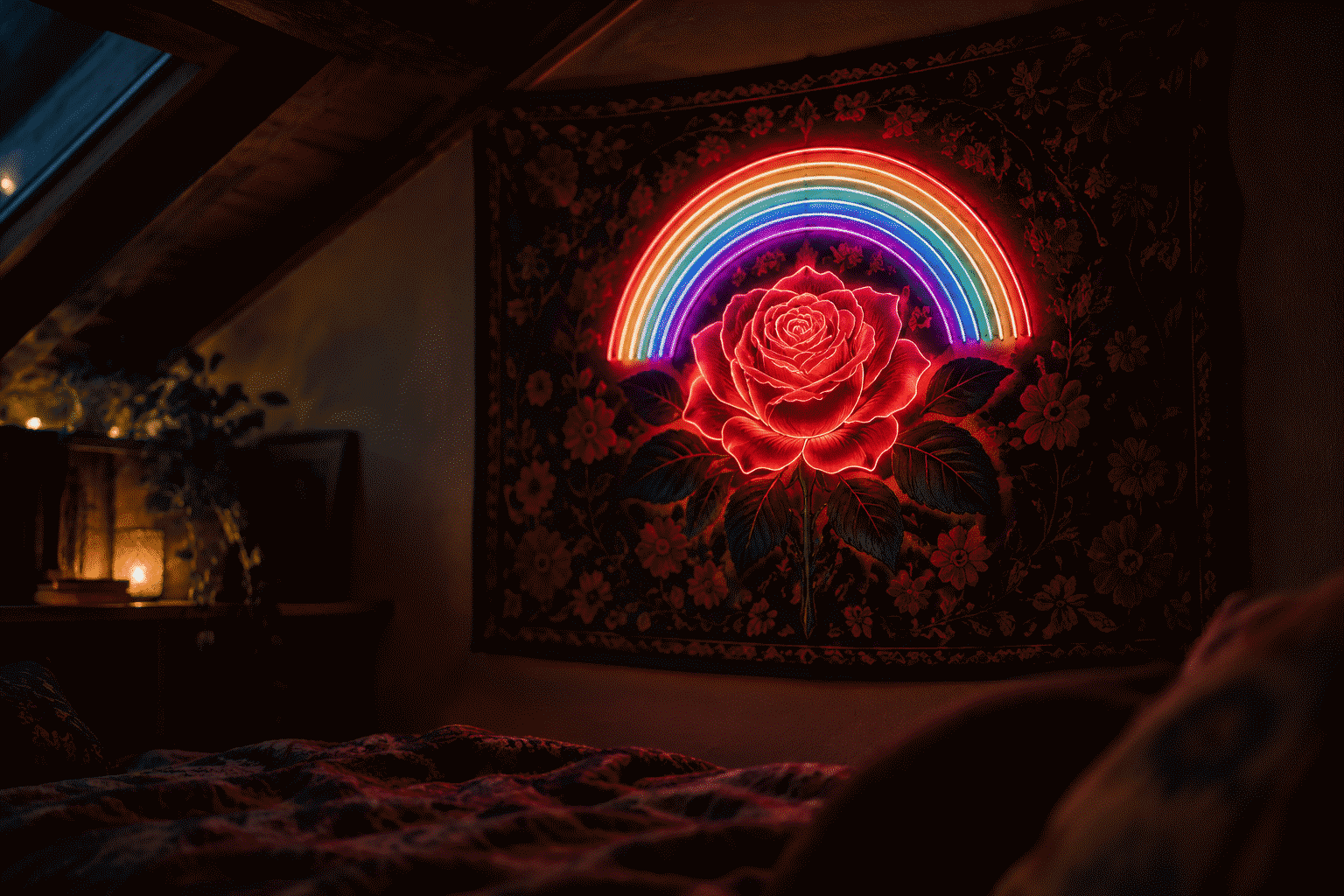
The garage and workshop. The bear row’s second home — the small five-bear run at bench height, the friendly icons doing friendly work. The man cave layouts cover the integration; the Dead pieces run warmer than most cave decor (the community the icons mean was famously gentle).
The party room and the porch. The dancing bears’ natural element: the pieces that say “good times here” without the volume of a beer brand. The porch tier runs the bears in warm tones at the evening register.
The dorm and first-apartment tier. The intergenerational handoff in action: the bear row as the young fan’s first piece, $80–$120 at 20–24 inches, the register’s gateway build.
The Custom Route
The fan-styled note, as every band piece on this site carries: custom builds are your design in the icon set’s visual language — not licensed band merchandise. What the custom tier builds best:
- The bear row in your colors — the five-bear custom at any width; team colors, house colors, or the classics. The register’s most-ordered custom and its most gifted.
- The stealie variants — bolt-and-skull in two colors, sizes from 16 to 36 inches. The red-and-white classic is the default; the custom hues are the personal tier.
- The rose-crowned skull — the two-color beauty build (skull warm white, roses pink or red).
- The tour-year piece. “SPRING 1990,” the year you saw them, the year you wish you had — the personal documentation tier, in the register’s own lettering style.
- The phrase tier. “WHAT A LONG STRANGE TRIP” — the line that outlived its song, the register’s text canon. Priced by width in the custom builder.
Sizing the Icon Set
The Dead pieces run smaller than the wall’s other rock decor – the icons are intimate, not stadium-scale:
| Piece | Size | Price tier |
|---|---|---|
| The single bear | 10-14 in | $60-$90 |
| The five-bear row | 24-30 in | $120-$200 |
| The stealie | 16-28 in | $100-$180 |
| The rose-crowned skull | 18-26 in | $180-$280 |
| The phrase pieces | by width | $90-$200 |
The placement logic follows the icons’ temperament: the bear row runs at bench and shelf height (the bears are companions, not monuments), the stealie takes the wall’s center (it is the flag), and the rose-crowned skull goes where the room keeps its beautiful things. One full Dead wall runs two or three of these pieces at most – the register’s whole personality is its lightness of touch.
The Color Logic
- Warm registers. The Dead wall runs warm — amber, warm white, and the red bolt tier. The community’s palette was earth-tone; the glow follows.
- The bear exceptions. The bears run any color — their native multicolor row is the one sanctioned rainbow in the register.
- The stealie discipline. One bolt color, one skull color; the full-color builds are the collector’s exception, not the rule.
FAQ: Grateful Dead Neon Signs
Where can I buy a Grateful Dead neon sign? Fan-styled custom builds are the register’s main street — the bear row, the stealie, and the rose-crowned skull as custom pieces, live pricing in the custom builder. Vintage pieces surface occasionally through collector channels at premium prices.
What is the stealie? The skull-and-lightning-bolt mark from the band’s 1976 album cover — the most recognized icon in the set. In neon it is the register’s power piece: the bolt renders as a natural tube shape, and the two-color build (red bolt, white skull) is the classic.
What do the dancing bears mean? They come from the band’s 1973 album art — a row of marching bears that became the community’s friendliest heraldry. The bear row is the register’s most giftable piece and the one Dead icon that works in any room.
What colors for a Grateful Dead sign? Warm registers — amber, warm white, red — with the bear row as the sanctioned multicolor exception. The stealie runs one bolt color and one skull color; the full-color builds are the collector tier.
How much does a Dead neon sign cost? The five-bear row runs $120-$200 at 24-30 inches; the stealie $100-$180; the two-color rose-crowned skull $180-$280. The dorm-tier bear row (smaller, single color) lands under $100.
How much wall space does a Dead piece need? Less than you would think – the icons run intimate. The bear row at 24-30 inches is the largest standard build, and the full Dead wall (bear row plus one companion piece) fits a normal bedroom or den wall with room to spare. The register was built for rear windows and tape-deck lids; the scale memory stuck.
Where does the piece go? The music den (the native habitat), the garage’s friendly tier, the party porch, or the young fan’s first wall. The register reads warm rather than loud — it coexists with almost anything, covered further in the music guide.
Keep Truckin’
The friendliest skulls in music, rendered in the medium of the era they helped define. Bear row or stealie, classic hues or your own — build the piece and let the wall do the welcoming.
More music glow: music room ideas, guitar walls, the Metallica register, skull design mechanics.
Sources & Further Reading
- Neon sign (Wikipedia) — the consolidated public record of neon-sign history and technology.
Pricing based on CustomNeon’s current catalog (2026); custom quotes come live from the sign builder.