Blog
Illuminated Signs Guide: Types, Costs, Choices
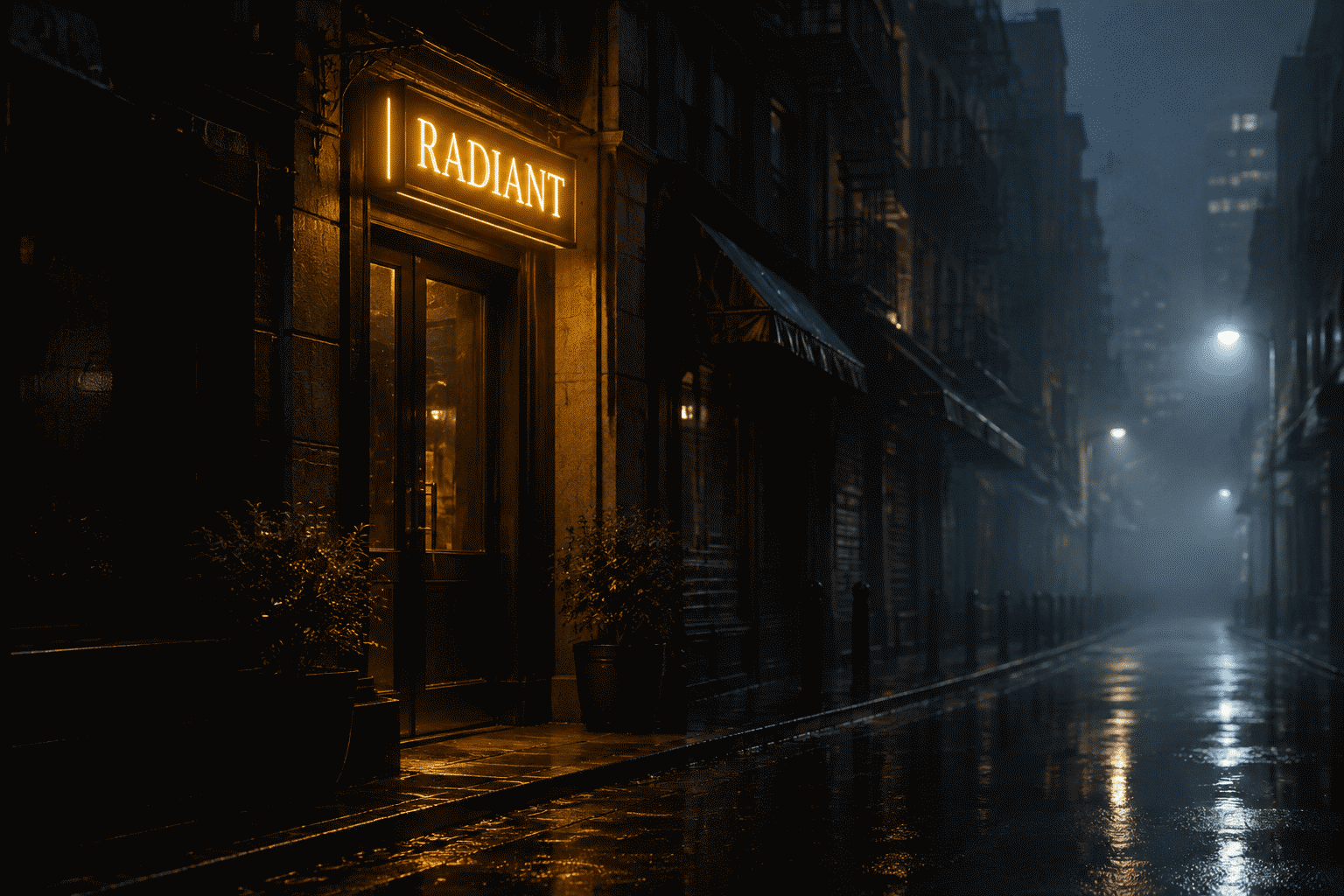
“Illuminated sign” is the category neon lives in — the broader trade term for every sign that makes its own light: the neon classic, the LED-revolution successor, the cabinet lightboxes, the channel letters on every main street. Buyers meet the category at its widest point (a hundred trade names for a dozen actual types), so this is the decoder: what the types are, what each costs, which one your business actually needs, and how they compare on the axes that matter.
The neon-specific deep-dives live across the guides (open signs, small business); this is the umbrella.
The Types
LED neon-style (flex neon) — the modern standard: LED tubing that mimics bent glass, mounted on acrylic. The combination that took over the market: the neon look, the LED economics (a few watts — the math), the durability (the lifespan facts), and the price point ($60–500 across the business range — the brackets). The default answer for most buyers, most purposes.
Traditional glass neon — the heritage craft: real tubes, real gas, real bent-glass artistry — with the fragility, power draw, and maintenance that come along (the honest comparison). The premium register’s choice: bars, heritage storefronts, the businesses whose brand IS the authenticity.
Channel letters — the individual three-dimensional letters on every franchise frontage: internally lit, individually mounted, the corporate-identity tier. The most expensive per letter, the most “established” the read — and the least personal.
Cabinet/lightbox signs — the rectangular lit panels (the gas-station and fast-food standard): the workhorse tier — maximum visibility, minimum charm. The utility choice where budget meets code and the brand doesn’t need warmth.
Backlit and halo-lit — the letters or panels lit from behind: the premium-quiet read — the glow without the tube. The boutique and professional-services tier that wants illumination without the neon register.
Digital/LED displays — the programmable message tier: the content-updatable future (the trends logic) — the format that trades warmth for flexibility. The tier for the businesses whose message changes daily.
The Comparison Axes
Cost: flex neon leads the value ($60–500); lightboxes and channel letters run $500–5,000+ (fabrication and mounting scale); glass neon runs $300–3,000 by size and artistry (the brackets); digital displays $1,000–10,000 by resolution.
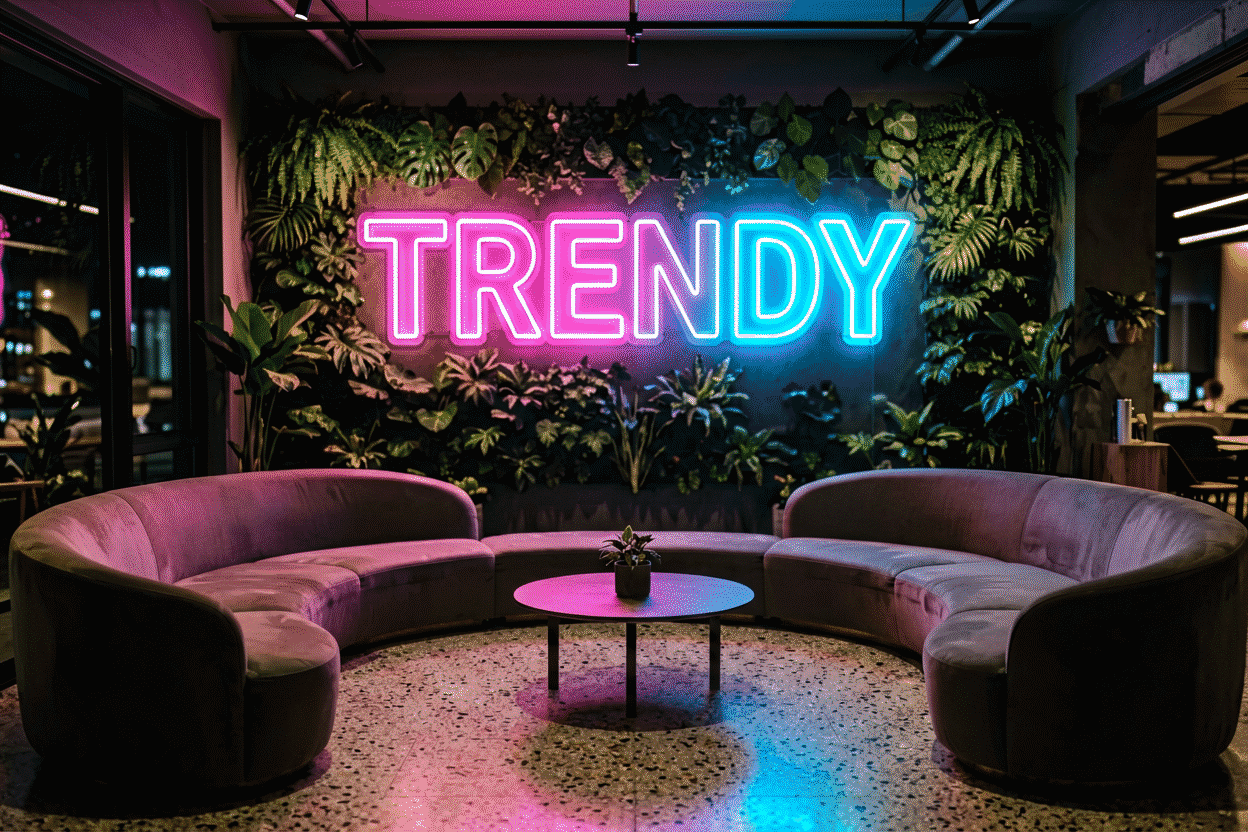
Lifespan: LED tiers run 30,000–50,000 hours (the facts); glass neon 10,000–25,000 with maintenance; the fabrication tiers (channel, cabinet) run decades with occasional re-lamping.
Energy: LED tiers draw a fraction of everything else (the math) — the decade’s quiet revolution that made illuminated signage affordable to run for the smallest businesses.
Perception: glass neon reads craft and heritage; flex neon reads modern-warm; channel letters read corporate-established; lightboxes read utility; backlit reads premium-quiet; digital reads tech-flexible. The register your business runs decides more than any spec sheet.
Maintenance: LED tiers run maintenance-free for their lifespan; glass wants occasional service (the care logic context); the fabrication tiers want professional service when (not if) the ballasts age.
The Decision Tree
Four questions, in order: What register does the business run? (craft → glass; modern-warm → flex; corporate → channel; utility → cabinet; quiet-premium → backlit; changing → digital).
What does the code allow? (the permits logic — the ceiling before the budget).
What does the street demand? (the sizing physics — speed and distance).
What does the budget sustain? (the brackets — including the running costs, where LED’s advantage compounds).

The tree’s most common landing: flex LED neon for the small-business default — the look of the craft, the economics of the revolution, and the range (open signs through logo customs — the canon) that covers the whole program in one medium.
The Trends Context
Where the category’s going (the 2026 report): warm-white registers, the photogenic-wall priority, RGB’s mainstreaming, glass’s premium revival, and the efficiency default that’s already complete. The umbrella view: illuminated signage is growing more personal (customs over catalogs) and more efficient (LED everywhere) simultaneously — and the businesses that buy well are the ones that match the type to the register and let the medium do its century-proven work (the case).
The Type Selector: Six Questions to the Right Type
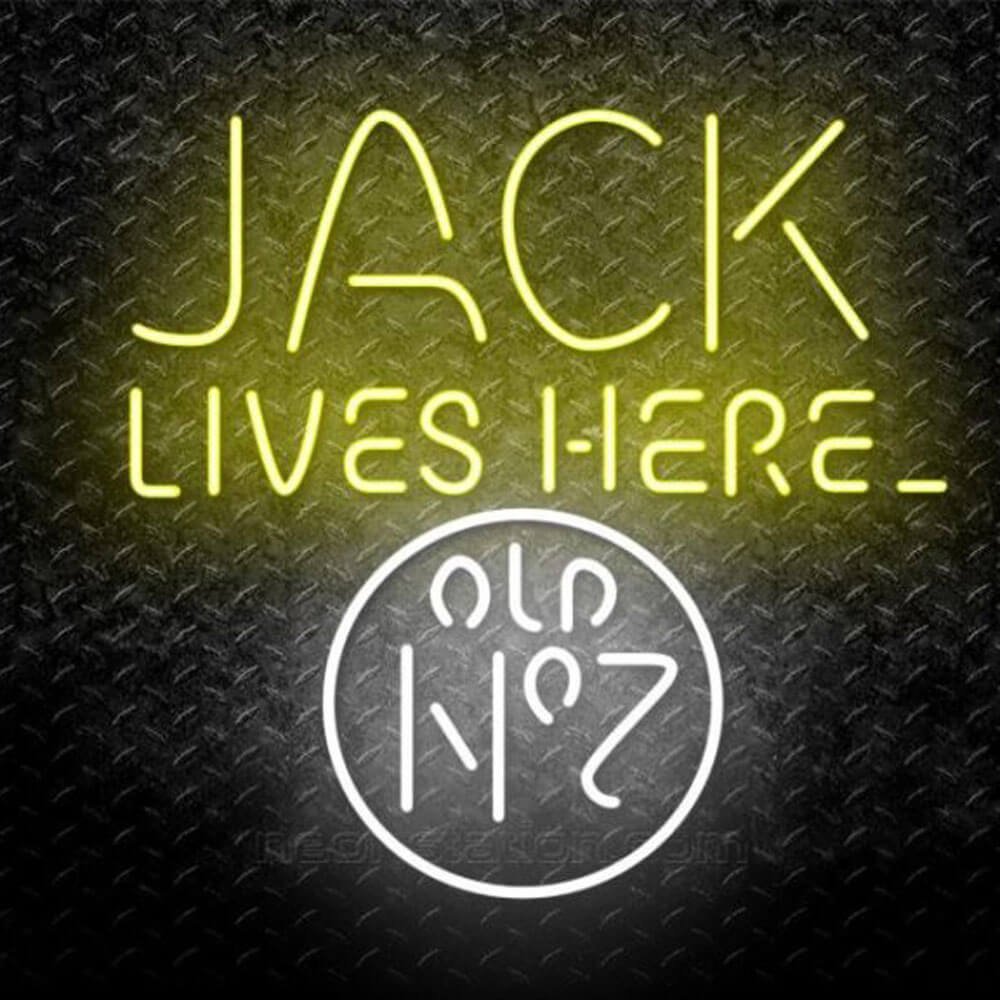
The illuminated-sign types decoded by the buyer’s actual situation – six questions, six landings. One: what’s the register? (Craft-heritage: glass neon. Modern-warm: flex LED. Corporate-established: channel letters. Utility: lightboxes. Quiet-premium: backlit. Changing-content: digital – the types.)
Two: what’s the budget band? (The $60-500 flex tier, the $500-5,000 fabrication tier, the $300-3,000 glass tier, the $1,000-10,000 digital tier – the brackets.)
Three: interior or exterior? (Interior: everything works. Exterior: the weather-rated tiers and the code’s outdoor rules.)
Four: what’s the maintenance appetite? (None: the LED tiers. Some: glass. Professional: the fabrication tiers.)
Five: what’s the content’s lifespan? (Permanent: any type. Rotating: the digital tier or the swap-mounted flex.)
Six: what does the code allow? (The ceiling that prunes everything else – the permit logic.)
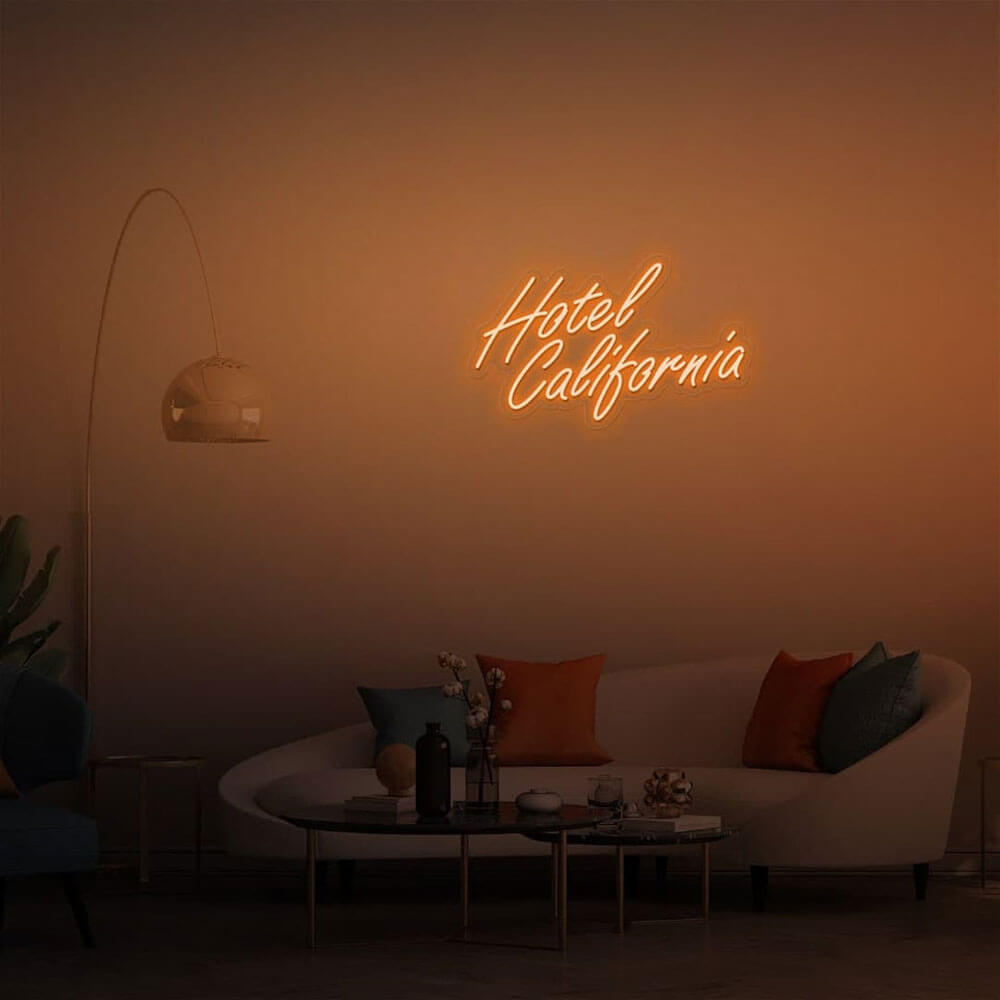
The selector’s most common landing – the flex LED tier – deserves its restatement: the neon look, the LED economics, the $60-500 range, and the durability that serves the small-business default (the comparison for the glass-versus-flex decision, the playbook for the program it anchors).
The Multi-Type Program: Mixing Without Muddling
The established business often runs multiple types – the channel letters above the door, the flex neon in the window, the backlit lobby piece – and the mixing follows one discipline: the types can mix when the registers agree. The channel-letter exterior with the warm-flex interior reads one brand across two types; the channel-letter exterior with the novelty-flex interior reads two businesses sharing an address. The program’s coherence runs on the palette and the typography staying consistent while the hardware types vary – the brand layer above the hardware layer (the trends logic).

The multi-type budget’s sequencing: the exterior’s type first (the street’s permanent impression – the slowest-changing, the highest-quality purchase), the window tier second, the interior program as the brand matures – the same anchor-first discipline every program in this guide runs (the playbook).
FAQ About Illuminated Signs
What are the different types of illuminated signs? Six working types: flex LED neon, glass neon, channel letters, cabinet lightboxes, backlit/halo, and digital displays — each with its cost, register, and maintenance profile (the comparison above).
How much does an illuminated business sign cost? The full span: flex neon $60–500, glass $300–3,000, lightboxes and channel letters $500–5,000+, digital $1,000+ (the brackets) — with the running costs (the energy math) deciding the multi-year picture.
Which illuminated sign is best for a small business? Flex LED neon — the modern default: the neon look, the LED economics, and the range covering open signs through logo customs (the playbook). Glass where the heritage register earns it (the comparison).
LED neon or traditional glass — how do I choose? Register and budget: glass is the craft signal for the vintage-tier businesses; LED is the value for everyone else (the head-to-head has the full decision matrix).
What type of illuminated sign is best? For most buyers, most purposes: the flex LED tier – the neon look, the LED economics (a few watts – the math), the $60-500 range, and the durability that serves the small-business default (the comparison for the glass decision). The exceptions by register: the glass neon for the heritage businesses (the craft tier), the channel letters for the corporate identity, the digital displays for the daily-changing content. The six-question selector (the type guide above) resolves any specific situation to its type in one pass.
What is the cheapest illuminated sign type? The flex LED tier – the $60 entry brackets that carry the neon look at the LED economics (the type comparison above): the open signs and phrase pieces at the small business’s entry budget, the logo customs at the $150-500 band. The cheap tier’s honest competition: the lightbox and cabinet signs (the utility registers) run the $500-3,000 fabrication brackets against the flex tier’s $60-500 – the flex’s look and brackets winning the value comparison for most buyers. The glass tier’s entry ($300-3,000) serves the heritage registers at the premium; the digital tier’s entry ($1,000+) serves the content flexibility – and the cheapest type that works the buyer’s register is the flex, which is why it owns the volume market.
Which illuminated sign type handles rain and snow best? LED module cabinets and channel letters carry the weatherproof ratings that matter (IP65 faces, sealed enclosures), and they shrug off decade-after-decade of precipitation with a sealant check every few years. Exposed-bulb and traditional neon rank as covered-installation choices — gorgeous under an awning, expensive in open weather, since both water ingress and freeze-thaw cycles attack their components first.
How do illuminated sign permits differ from plain sign permits? The moment a sign lights up, most municipal codes add a second review layer: brightness limits, sometimes curfew requirements for animated faces, and in historic districts outright bans on certain light temperatures. That extra review typically adds two to four weeks and a modest fee to the approval, which is why the permit drawing should show the sign lit, not just mounted (the permitting map).
The Single-Type Program vs the Multi-Type Program
The sign program’s two architectures, compared:
| Decision axis | The single-type program | The multi-type program |
|---|---|---|
| The hardware | One medium (the flex LED default) | The mix (the channel outside, the flex inside) |
| The coherence | Automatic (one look) | Engineered (the register discipline above) |
| The budget’s shape | The one medium’s brackets | The tiers’ combined brackets |
| The maintenance | One profile (the LED’s none) | The profiles’ mix (the fabrication’s professional tier) |
| The buyer | The small business (the default) | The established frontage (the identity’s scale) |
| The failure mode | The medium’s limits (the flex can’t do everything) | The register mismatch (the two-businesses read) |
The multi-type program’s coherence rule: the types can mix when the registers agree (the palette and typography consistent while the hardware varies) – the brand layer above the hardware layer (the multi-type logic above). The channel-letter exterior with the warm-flex interior reads one brand; the same exterior with the novelty interior reads two businesses sharing an address.
The single-type program’s honest sufficiency: the flex LED tier carries the whole journey for most businesses (the open sign through the interior program – the types above), and the multi-type architecture arrives with the scale that needs it – the established frontage whose identity budget spans the fabrication tiers. The single-type start delays the multi-type decision until the brand outgrows the medium (the comparison for the medium’s own decision).
Sources & Further Reading
- Solid-State Lighting (U.S. Department of Energy) — DOE reference on LED efficacy and lifetime.
- Neon sign (Wikipedia) — the consolidated public record of neon-sign history and technology.
Pricing based on CustomNeon’s current catalog (2026); custom quotes come live from the sign builder.