Neon Sign Wallpaper and Backgrounds: The Look
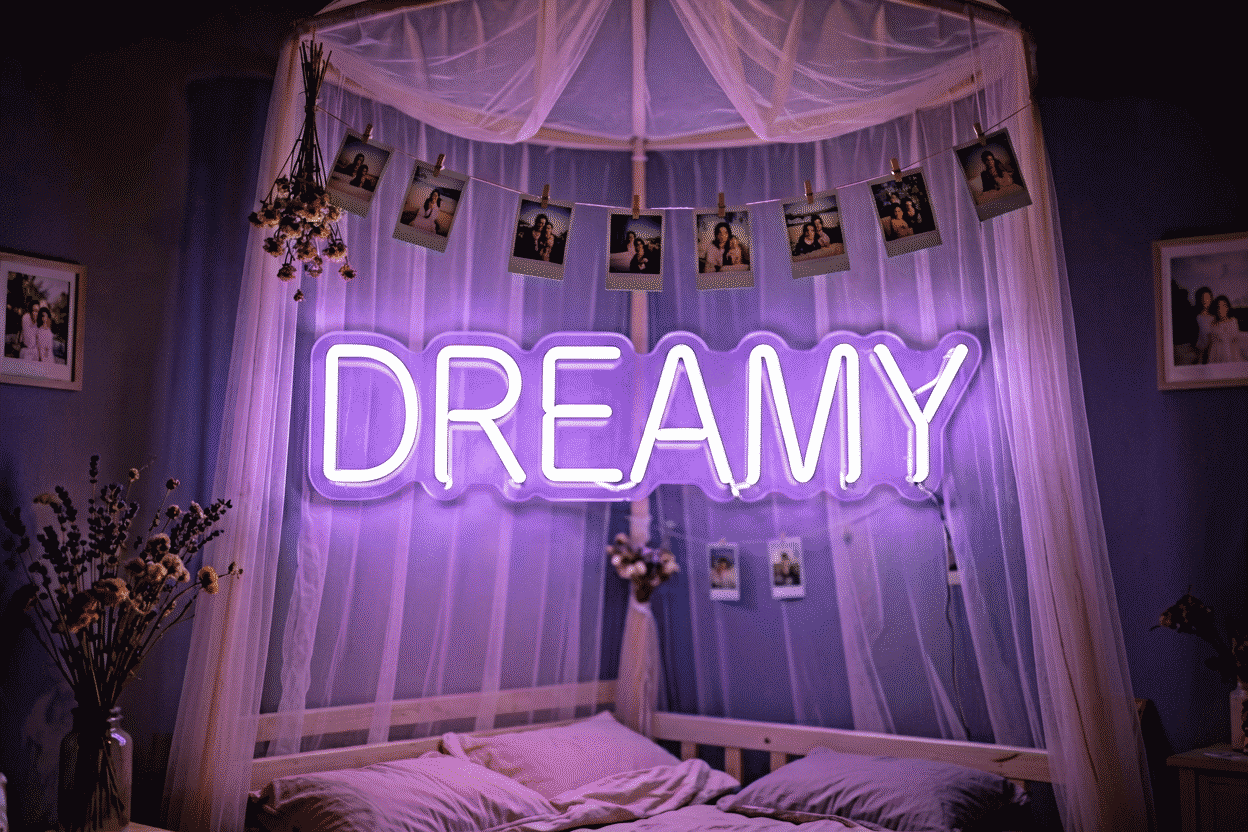
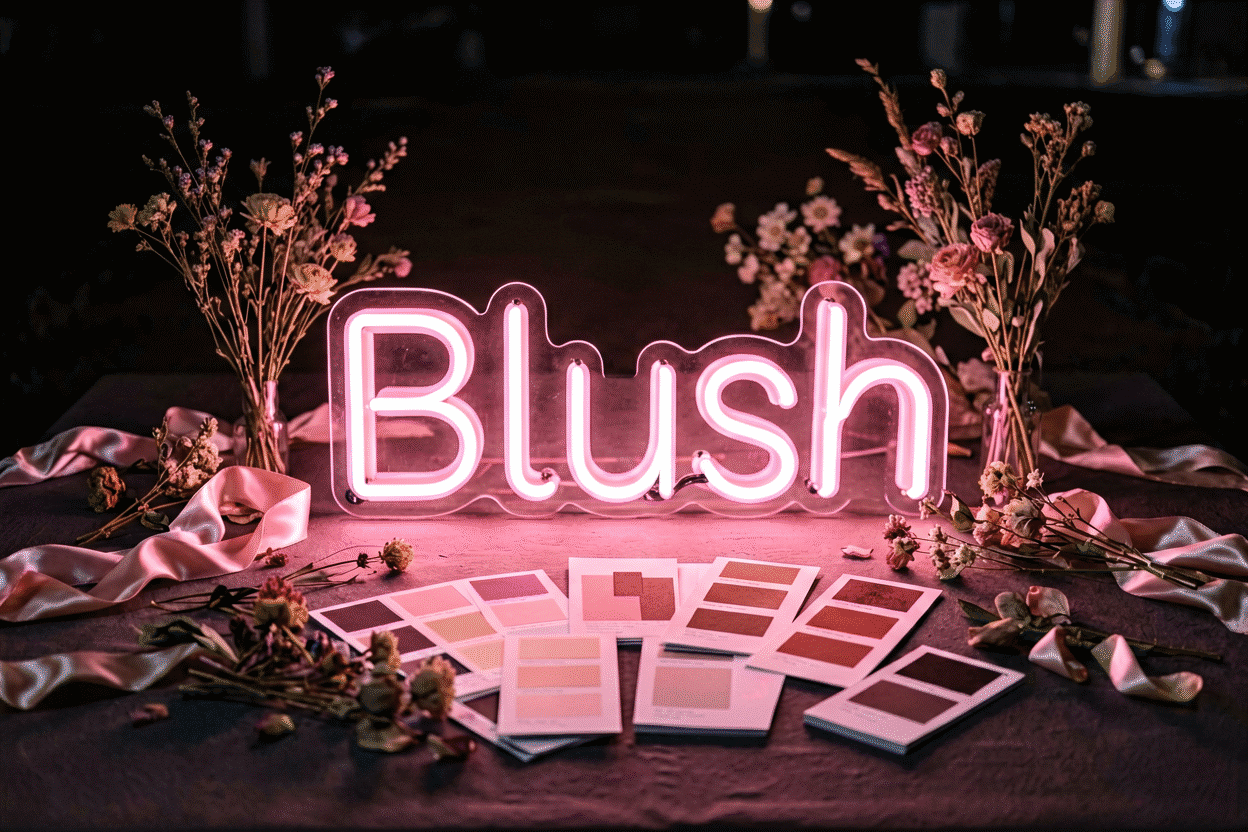
Neon wallpaper — the phone lockscreens, desktop backgrounds, and social banners built on glowing signs — is one of the most-saved image categories on the internet, and almost entirely a downloaded aesthetic: unsplash and pinterest collections with millions of saves, and a peculiar gap between how much people look at neon and how many realize the look is now a purchasable object. This guide does both halves: the collector’s half (why these images work, where to find them, how to make your own) and the conversion half — turning a wallpaper you love into the actual sign glowing on your actual wall.
The room-scale version of the same aesthetic lives at neon room aesthetic ideas.
Why Neon Wallpapers Work (The Anatomy)
Look at the category’s most-saved images and the same anatomy repeats:
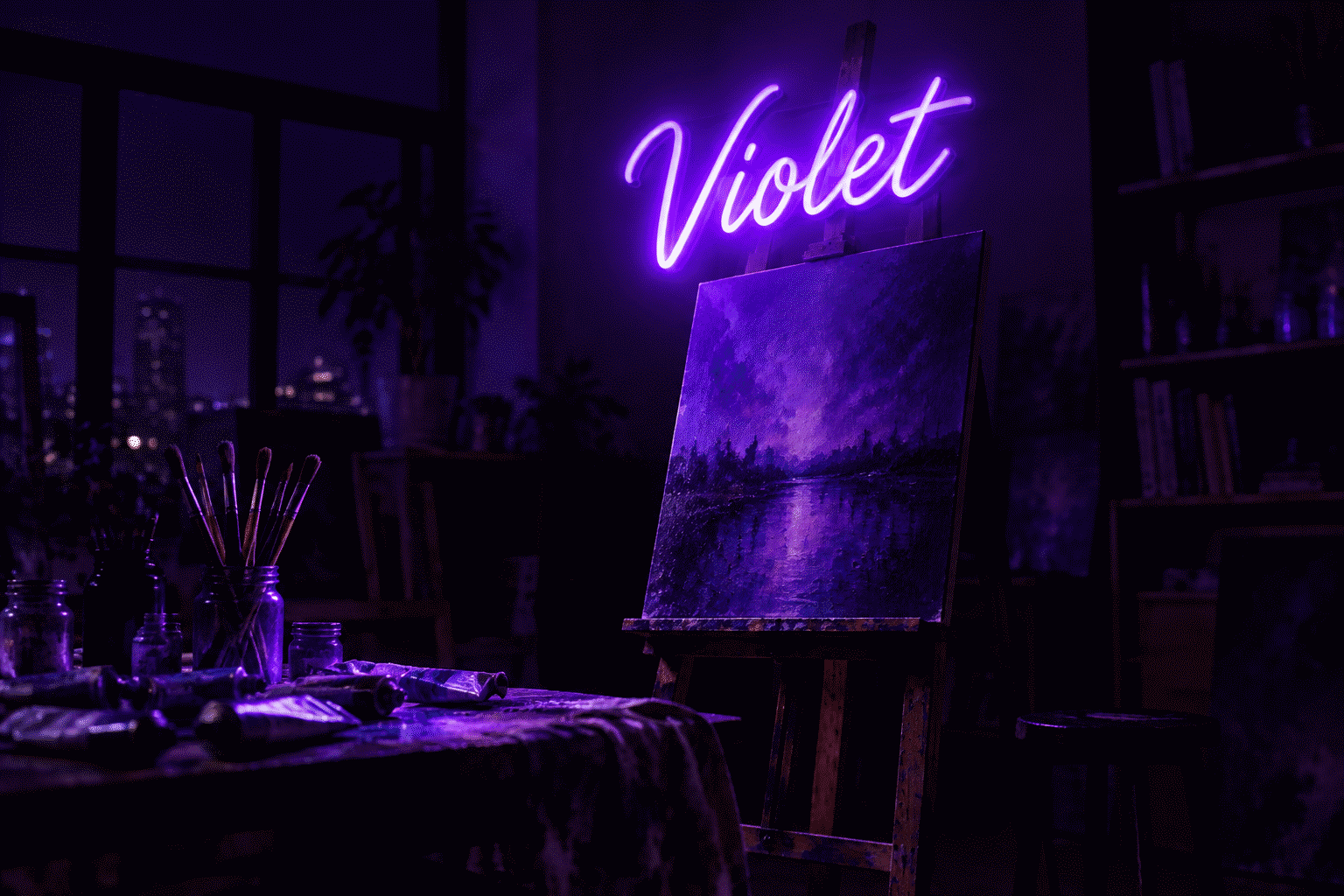
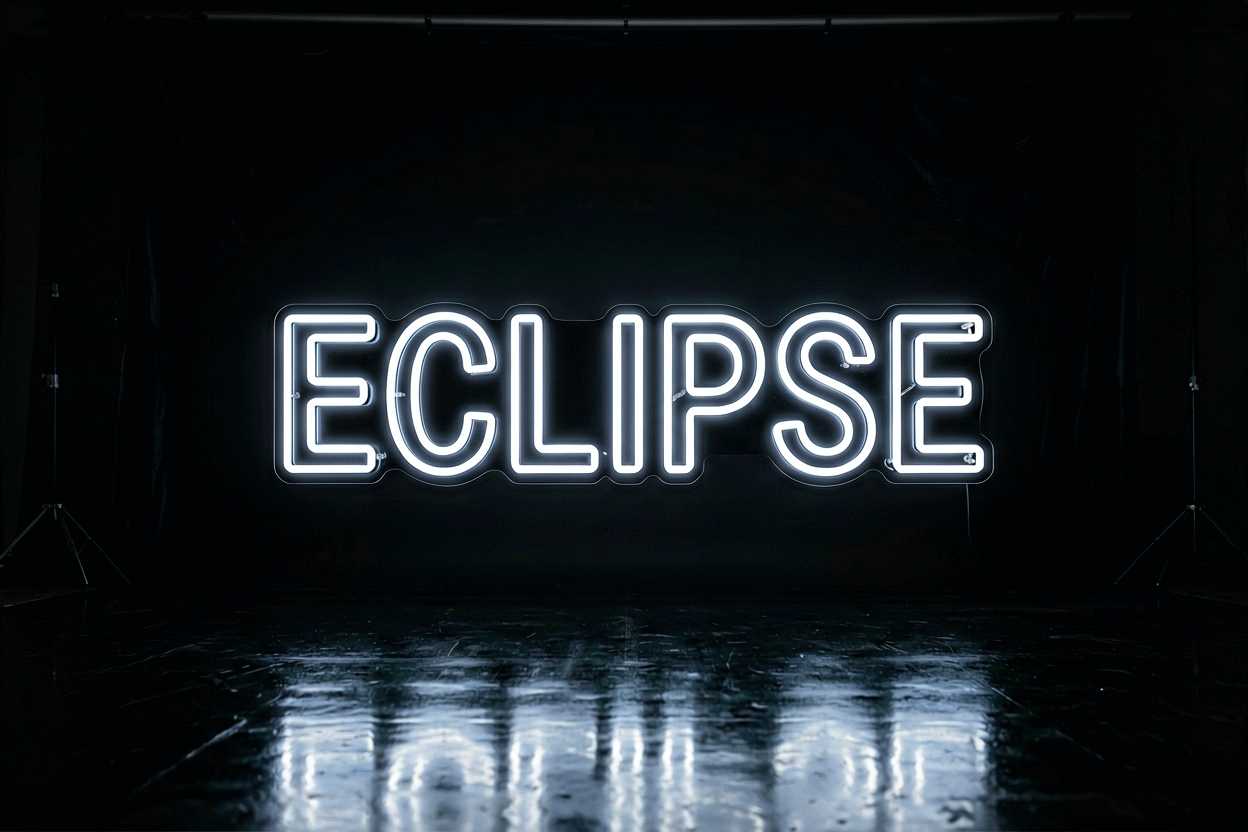
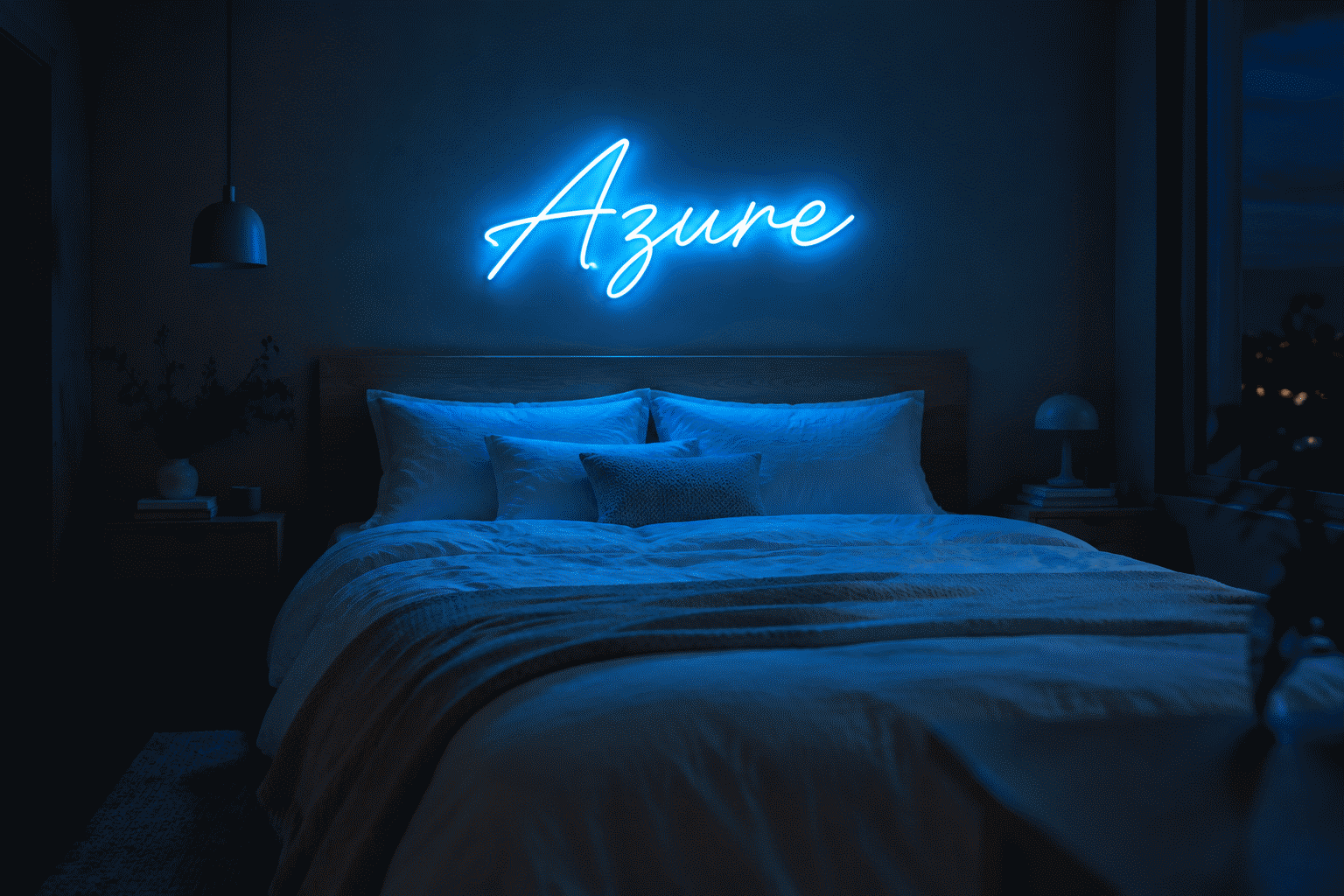
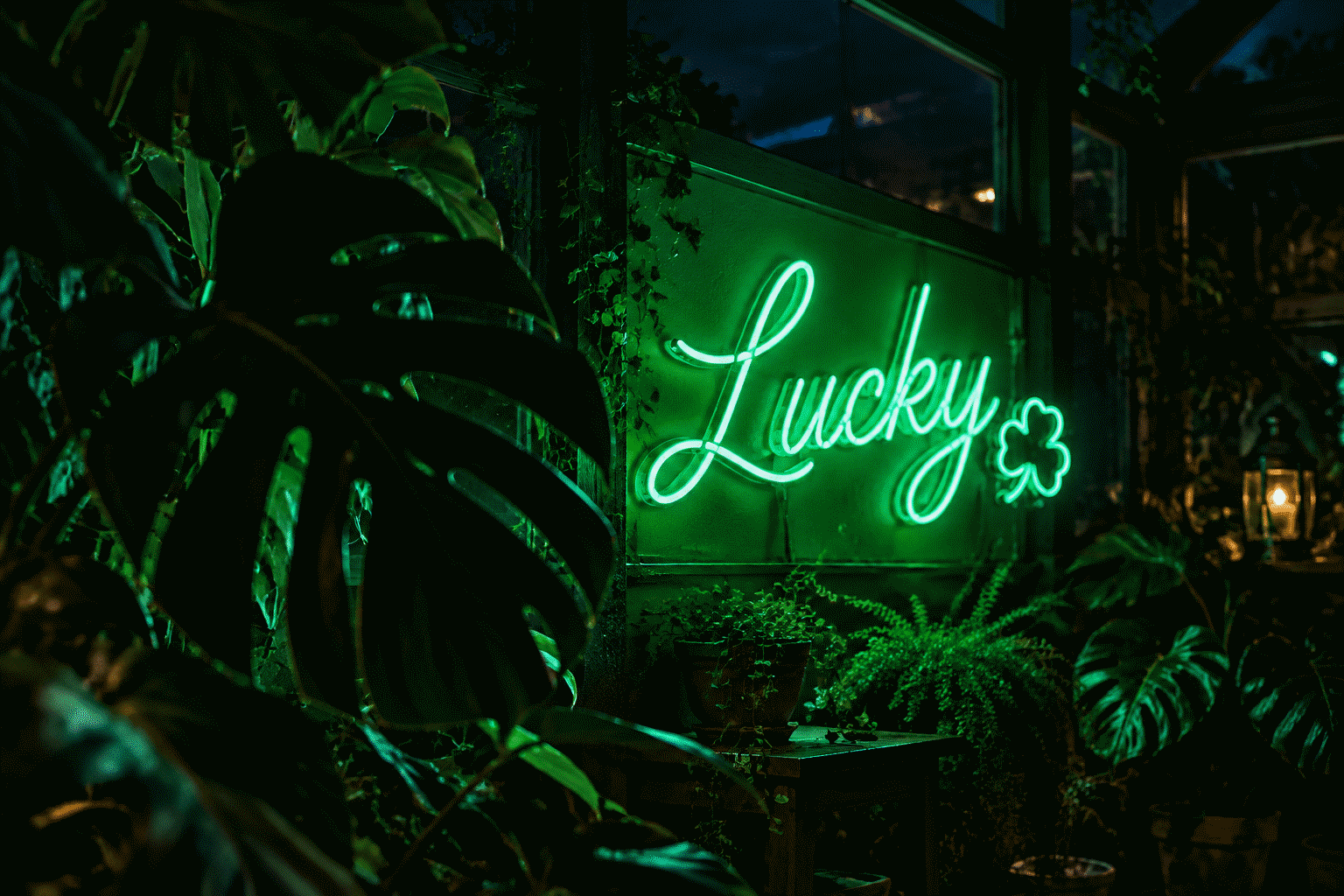
- Dark field: 90% of great neon photography happens against night or deep shadow — contrast is the entire engine (the physics)
- One dominant hue, one supporting: pink wall + blue spill, or red sign + amber street — the two-color grammar that keeps images composed (combinations)
- Human absence with human traces: the empty street, the closed bar, the chair outside — mood without faces, which is exactly what backgrounds need (wallpapers carry feeling without competing with your icons)
- Textural glow: reflections in wet pavement, glass, puddles — the halo doubled, which screens render beautifully
- Off-center composition: the sign at rule-of-thirds edges, leaving clean space for clock widgets and app grids — the practical anatomy phone-wallpaper curators know
That anatomy is learnable — which is why the DIY half below works.
Where the Collections Live
The ecosystem, by use: Unsplash and Pexels (free, high-res, photographer-driven — the quality tier); Pinterest (the aesthetic-discovery layer — neon boards as mood curation); Wallhaven and the wallpaper sites (device-sized, search-filterable); Reddit’s wallpaper communities (taste-curated threads); and city-photography accounts (the Tokyo/Hong Kong night-street genre — neon wallpaper’s art-house wing). Usage rights note: photographer-licensed platforms (Unsplash’s license, stock terms) for anything beyond personal use.
Making Your Own (Three Methods)
1. Shoot your wall. The neon photography method produces exactly the anatomy above: expose for the glow, dark room, one supporting light. A photo of your own sign, cropped for your phone, outclasses any download — it’s yours and it’s calibrated to your actual glow.

2. Composite the builder render. Design your sign in the custom builder, screenshot the render, and drop it on a dark background in any free editor — a wallpaper of the sign you’re about to order (the pre-purchase wallpaper: mood-settling before the box arrives).
3. The night-walk shoot. Your city’s surviving signage, shot with the exposure method — the street-photography version, and the genre the stock sites actually sell.
The Conversion Track (From Wallpaper to Wall)
Here is this page’s honest commercial secret: the wallpaper aesthetic is the most reliable design brief in custom neon. The images people save ARE specifications — color, mood, word-style, background darkness. The pipeline:
- Take your three most-saved wallpapers and name what they share (the hue pair, the word register, the darkness)
- Map hue pair to your wall — dark rooms take the wallpaper’s own contrast; light rooms adapt the hue pair with an anchor (the method)
- Draft the word in the register the wallpapers suggest (script-romantic? block-statement?) — the design flow
- Budget the conversion: the aesthetic’s floor is real now — small customs from ~$100, statement pieces $200–400 (the cost guide) — the look stops being a screensaver at its lowest price ever
- Order, mount, shoot — and your wallpaper becomes the photo of your own wall (hanging guide)
The pink-wallpaper crowd lands at pink aesthetics; the street-photography crowd at retro signage; the dark-field crowd at black-glow designs. Every wallpaper genre has its sign.
The Desktop Version (Working Backgrounds)
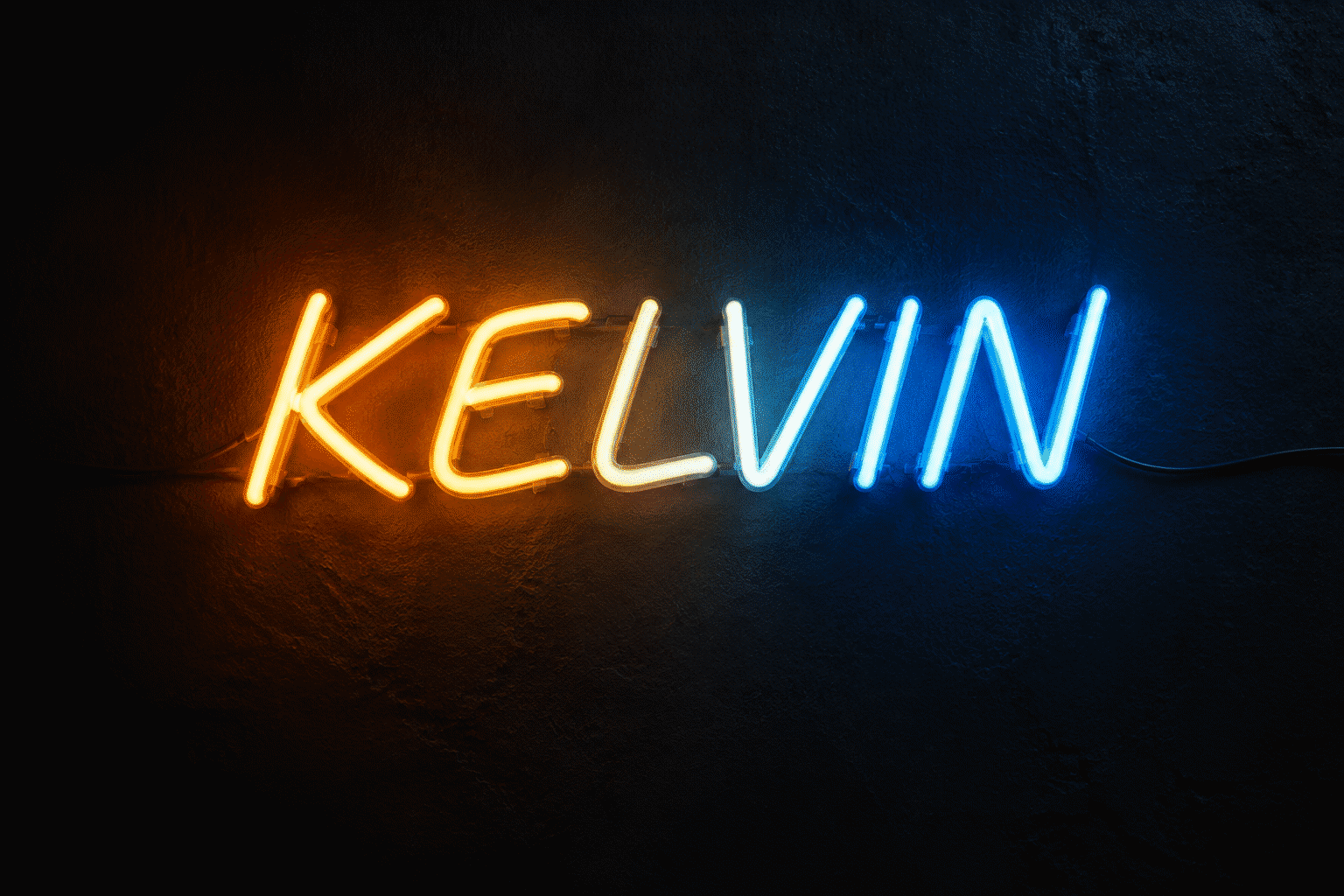
For work screens, neon wallpapers want adjustment: darker overall (bright glow fields fight window legibility), glow positioned away from your primary reading zone, and — the productivity note — hue matched to intent: warm glows for late sessions (the wavelength logic), cool for daytime focus. A wallpaper is ambient exposure: the same color science that governs the physical sign governs the image of it.
The Wallpaper-to-Wall Project: A Workbook
For readers ready to close the loop between saved images and owned glow — the conversion workbook:
The audit step. Open your saved-neon collection and answer three questions: which hue pairs repeat (the pattern is your palette), which words’ registers repeat (script-romantic, block-statement, icon-led — the pattern is your format), and which rooms’ darkness repeats (the pattern is your wall). Most collections converge on two hues, one format, one mood — the wallpaper habit was secretly a design brief all along (the method).
The translation step. Map the audit to the real wall: the wallpaper’s dark-field aesthetic needs a dark or dimmed room (the black rules); its hue-pairs enter the combinations discipline (pairing logic); its word-register picks your vocabulary (the design flow). The one honest translation loss: screens render glow more forgivingly than walls — preview real, dimmed, at evening hour before ordering.
The budget step. The look’s floor in 2026: one custom piece at $100–200 delivers the aesthetic’s core (the word, the glow, the wall); the full layered version (sign plus strip-wash) runs under $250 (the recipes). The wallpaper era’s economics ended at “someday” — the current market’s ended at “this month.”
The photography step. The conversion’s closing loop: your own wall, shot with the exposure method (the guide), becomes the next wallpaper — the aesthetic regenerating itself from your room instead of a stock library. The feed-native move, and the satisfying one.
The five-minute start. Audit saved images, name the two hues and one word, open the builder, type the word, preview both hues — the wallpaper-to-wall pipeline’s entire distance, covered before the coffee cools.
One more stop for the mood board: our bedroom neon signs guide turns wallpaper inspiration into a real room plan, and the pink neon sign page handles the palette most aesthetic walls resolve to.
FAQ: Neon Wallpaper
Where can I find aesthetic neon wallpapers? Unsplash and Pexels for free high-res quality, Pinterest for aesthetic discovery, Wallhaven and wallpaper sites for device-sized search, Reddit wallpaper communities for curation, and city-photography accounts for the night-street art-house genre.
How do you make neon wallpapers? Shoot your own sign with the exposure-for-the-glow method in a dark room; composite a custom-builder render onto a dark background; or night-walk your city’s signage — all three produce the category’s anatomy: dark field, one dominant hue, texture, off-center composition.
Why do neon wallpapers look so good? Contrast physics plus composition grammar: glow against darkness, one dominant hue with one supporting, human-absent mood, and reflective texture — the anatomy every most-saved image shares, decoded above.
Can I turn a neon wallpaper into a real sign? That’s the reliable pipeline: your saved images ARE the design brief (hue pair, word register, darkness) — map them to your wall, draft the word, and order the custom build from around $100. The wallpaper-to-wall conversion is the guide’s core section.
Do neon wallpapers work well on desktop screens? With adjustment: darker fields for window legibility, glow positioned away from reading zones, and hue matched to session intent — the same color science that governs physical neon governs its images.
What are the most popular neon wallpaper styles? The pink-and-blue aesthetic register, dark street photography (Tokyo/Hong Kong night genre), single-sign minimalism, and retro signage nostalgia — each mapping to a sign-genre guide above.
The wallpaper guide’s summary: the most-saved aesthetic on the internet, decoded into its anatomy (dark field, hue pairs, texture, off-center calm), sourced from the ecosystem’s libraries, made in three methods, and — the commercial secret — convertible into the real sign at the lowest prices the medium has ever offered (close the loop). The wallpaper habit was always a design brief. This page is the bridge from saving to owning. Where do I find neon wallpapers for dual-monitor setups? The wallpaper sites’ ultrawide and dual-monitor categories (Wallhaven’s resolution filters, the dedicated dual-screen collections) carry the genre, and the DIY composite method (above) solves the seam problem the stock libraries cannot — one wide render of your own design, split to two displays, glowing across both with no mismatched center. The custom route is the dual-monitor answer the category was waiting for.
Are neon wallpaper apps or widgets worth using? The live-wallpaper apps deliver the glow-in-motion register (animated flicker and color shifts) at battery cost on mobile — worth it for the lockscreen rotation, skip it for always-on displays. Static high-res from the free libraries serves most setups better, and the DIY composite remains the quality ceiling (the methods).
The saved images were always a brief; the builder was always the proof — and the gap between them closed years ago at prices the wallpaper era never imagined.
The aesthetic regenerates — saved image, ordered sign, photographed wall, the next save — and the cycle now closes at consumer prices.
Start with the save you love most — its hue pair, its word register, its darkness — and run the workbook top to bottom; the sign that results will out-glow the image that inspired it, because this one is yours and it is real. The libraries will still be there tomorrow; the wall is ready tonight.
Sources & Further Reading
- Neon: Strong Lines (NIST Physical Reference Data) — the standard reference for neon’s emission wavelengths.
- Neon sign (Wikipedia) — the consolidated public record of neon-sign history and technology.
Pricing based on CustomNeon’s current catalog (2026); custom quotes come live from the sign builder.