Funny Neon Sign Ideas: 25 Signs That Get the Laugh
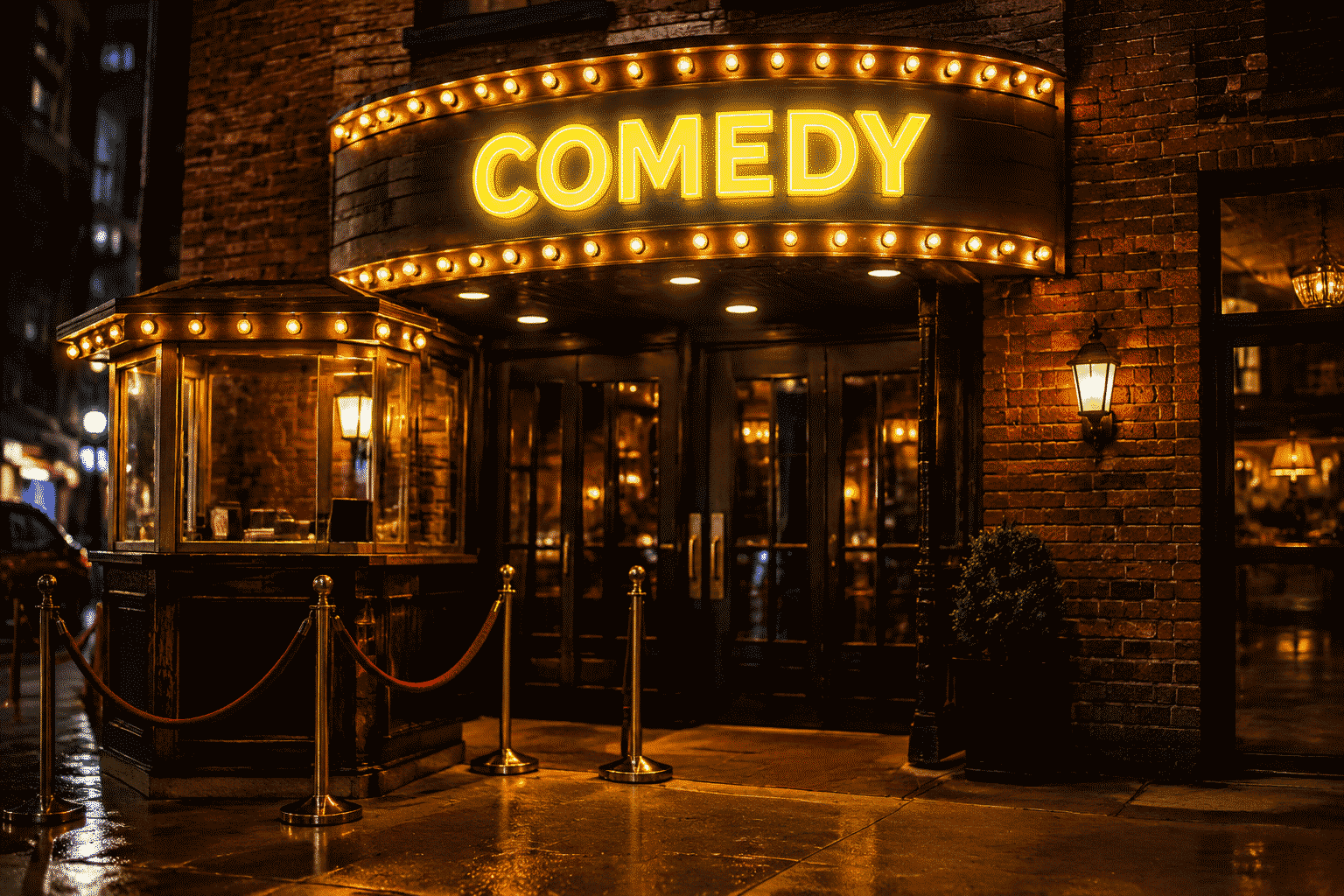
A funny neon sign is the highest-ROI piece of decor you can own: it does everything a serious sign does (light the room, anchor the wall, photograph beautifully) plus one thing no serious sign can — it makes every guest laugh, every time, for years. Humor in light is also commitment: you can’t quietly take down a glowing joke the way you can rotate a coaster. That’s the charm and the filter.
These are the 25 that consistently work, organized by genre, with the rules that separate the signs people photograph from the signs people wince at.
Why Funny Works in Neon (Better Than Anywhere Else)
- The medium is earnest. Neon reads as “statement” — a joke in statement-formalwear is funny by contrast. The same words on a poster are a poster; in glowing script, they’re a commitment.
- It’s the room’s icebreaker. A funny sign hands every guest their first conversational line. Rooms with a joke on the wall start conversations faster than rooms with art.
- It photographs endlessly. The funny sign plus a guest mid-laugh is the recurring photo of every party for the life of the sign.
The Genres, Ranked by Risk
Tier 1: The Safe Laughs (gift-grade, in-law-proof)
1. “But First, Coffee.” The morning-person manifesto — kitchen standard, relatable to half of humanity.
2. “Sorry I’m Late, My Cat Was Sitting on Me.” The pet-owner alibi — instantly true for its audience.
3. “Resting Beach Face.” The vacation-house default.
4. “I Make Pour Decisions.” The wine-lover’s pun — kitchen bars and cellar doors.
5. “Napping Squad.” Kids’ rooms and college dorms; the wholesome tier.
6. “Good Vibes Only (Sometimes).” The undercut classic — the earnest phrase with the honest disclaimer.
7. “Not a Morning Person.” The bedroom door’s warning label.
Tier 2: The Bar-Room Canon (adult, party-proof)
8. “It’s 5 O’Clock Somewhere.” The bar tier’s founding document — the bar-sign guide covers the full canon.
9. “Drunk in Love” / the drunk-romance genre. The couples-with-a-sense-of-humor tier — the meaning guide covers the phrase’s full history.
10. “Free Hugs (Ask First).” The consent-era update of a dive-bar standard.
11. “The bartender is right. I asked him.” The bar-wall conversation starter.
12. “Sip Happens.” The wine-room pun that never misses.
13. “Beer Me.” Two words, complete philosophy — the garage-bar tier.
14. “Live, Laugh, Liquor.” The meme-inversion — the sign that mocks the decor genre from inside the genre. Bold; for households that mean it.
Tier 3: The Man-Cave Statements (grown-up humor)
15. “It’s Not Drinking Alone If the Dog Is Home.” The man-cave top-seller, year in and year out — cave playbook.
16. “My House, My Rules, My Remote.” The TV-wall crown.
17. “Do Not Disturb: Golfing Mentally.” The golf-den tier.
18. “Danger: Dad Jokes Ahead.” The dad-cave self-awareness piece.
19. “I’d Grill That.” The outdoor-kitchen pun.
Tier 4: The Bathroom Canon (the genre’s home stadium)
20. “Wash Your Hands, You Filthy Animal.” The bathroom standard — the one room where everyone’s a captive audience.
21. “The Best Seat in the House.” The throne-room truth.
22. “Please Don’t Do Coke in the Bathroom.” The bar-and-party bathroom’s modern classic — bold tier, parties only.
Tier 5: The Bedroom & Relationship Tier
23. “Not Today.” The mood-signaling two-worder — bedroom doors and home offices.
24. “You’re Like Really Pretty” / the compliment-meme genre. The pink register’s favorite import from meme culture.
25. “Send Noods.” The ramen-lover’s pun — the millennial-kitchen classic (the noodle pun doing the heavy lifting).
The Rules of Funny Neon
The filter that separates the laugh from the wince:
- Puns age well; shock doesn’t. The pun-tier signs (Tiers 1-2) stay funny for a decade; the shock-tier (Tier 4’s bold entries) have a two-year half-life. Buy accordingly.
- Match the register to the room’s witnesses. Who SEES the sign matters more than who GETS it: in-law-visible rooms want Tier 1; the basement bar can run Tier 3-4.
- One joke per room. The funny sign is the room’s single comedic voice — two joke signs compete like two open mics.
- The custom tier is where funny peaks. The best joke is the one only your household gets: the inside joke, the family’s phrase, the pet’s nickname doing something undignified. Type it in the custom builder — inside jokes in glowing script are the genre’s summit.
- Funny needs the earnest font. The joke lands harder in classic script than in a “wacky” font — the formality IS the comedy. (Font logic: our fonts guide.)
The Humor Theory: Why These Jokes Work in Light
The craft tier — what separates the signs that stay funny from the ones that curdle:
- The commitment gag. The core mechanism (per the guide’s opening): neon is earnest, so a joke in neon is a joke told with a straight face — the formality carries the humor. The practical consequence: the funnier the font tries to be, the less funny the sign gets. The earnest-font rule (script for puns, clean block for deadpan) is the genre’s comedy craft.
- The specificity ladder. “Beer Me” (universal) → “Sip Happens” (wine-culture) → “Not Today, Heisenberg” (one show, one decade) — the humor’s specificity sets its audience and its shelf-life. Universal puns run a decade; specific references run two years. Buy at the specificity level whose audience you actually host.
- The self-deprecation register. The safest and most durable tier — jokes at the host’s own expense (“Sorry We’re Late,” “It’s Not Drinking Alone,” “Not a Morning Person”) age gracefully because the target never changes. The jokes at others’ expense (the riskier tier) need the register-matching from rule two.
- The double-audience tier. The best funny signs work for the kids and the adults simultaneously (the Pixar principle): “Wash Your Hands, You Filthy Animal” reads silly at seven and differently at thirty-seven. The family-room tier that gets ordered most and retired least.
The Custom-Comedy Workbook: Writing Your Own
The inside-joke tier’s method — how to write the piece only your household gets:
- Mine the quotes. The household’s actual said-out-loud lines — the mishearings, the pet’s nicknames-in-context, the vacation’s running joke. The raw material is in your group chat; scroll six months back.
- Compress to five words. The joke’s shortest surviving form — the punchline without the setup (the household fills the setup in). “It’s the [name] show again,” “We don’t talk about [place],” the compression IS the comedy.
- Cast it in the earnest font. The inside joke in classic script — the formality-to-familiarity contrast is the custom-comedy formula. The wacky-font instinct is wrong (per the theory above); the straighter the type, the funnier the content.
- The date-stamp option. The joke’s origin date added (“Est. [the trip, the year, the incident]”) — the context-archival tier that makes the piece the household’s artifact.
- The veto check. Every custom joke needs the second-funniest-person’s veto (the person who will see it daily and didn’t pick it). The one-sign-one-joke room makes the household’s comedy official — both residents should be in on it.
The workshop’s output: the custom piece that no catalog could sell and no guest fully gets — the most yours object the medium makes. Type it in the custom builder tonight.
The Rotation Strategy: Comedy Maintenance
The genre’s long-term plan — keeping the funny room funny:
- The two-year audit. The shock-tier’s half-life (per the rules section) means the annual-or-biennial check: which sign still lands when guests walk in? The one that’s become furniture (invisible) rotates out; the one that still gets the laugh stays.
- The archive box. The retired joke’s dignified storage — the sign that was funny for two great years, boxed and dated. The household’s comedy archive; the pieces occasionally re-emerge for the nostalgia tier (the joke’s second life at the ten-year mark).
- The fresh-one budget. The comedy room’s line item: one new piece per year (the birthday-or-holiday slot), keeping the room’s humor current. The budget tier that keeps the genre from dying of age.
- The legacy question. The joke sign in the estate-sale future — the family’s comedy artifacts ending up in the kids’ homes (“the ‘Beer Me’ from the old house”). The genre’s longest laugh: the sign the next generation fights over.
FAQ: Funny Neon Signs
What is the most popular funny neon sign? “But First, Coffee” and “It’s 5 O’Clock Somewhere” lead the safe tier; “It’s Not Drinking Alone If the Dog Is Home” leads the man-cave tier; bathroom classics lead their room. The annual rotation of meme-imports (“Resting Beach Face” era, “Send Noods” era) keeps the genre fresh.
Are funny neon signs good gifts? The pun tiers are gift-safe (relatable humor, no register risk); the bold tiers are know-your-recipient gifts. The best funny gift is the custom inside joke — see the gifting guide’s method.
Where do funny neon signs work best? Bathrooms (captive audience), bars and man caves (the comedic home stadiums), kitchens (the coffee-and-wine puns), and party rooms. Bedrooms and formal rooms want the softer tiers.
Can I get a custom funny neon sign? Yes — the custom tier is the genre’s peak: your inside joke, your pet’s misadventures, your family’s phrase, rendered in earnest script. Live pricing as you type: custom builder.
Do joke signs get old? Pun-tier: slowly and gracefully (a decade of service). Shock-tier: fast (rotate or regret). The one-joke-per-room rule keeps the room from becoming a comedy club.
How much does a funny neon sign cost? Same as any sign at equal size — humor is free, size and letters price it. The short puns (“Beer Me”) run cheap per laugh; stock designs browse from the catalog, customs price live.
Light the Laugh
Pick the tier your witnesses can handle, pick the pun that survives a decade, or type the inside joke only your people get — all of it glowing tonight in the custom neon maker. The room’s icebreaker, installed.
Sources & Further Reading
- Mercury (U.S. EPA) — federal guidance on mercury exposure and safe handling.
- Neon sign (Wikipedia) — the consolidated public record of neon-sign history and technology.