Neon Glow Colors: The Science of the Glow Itself
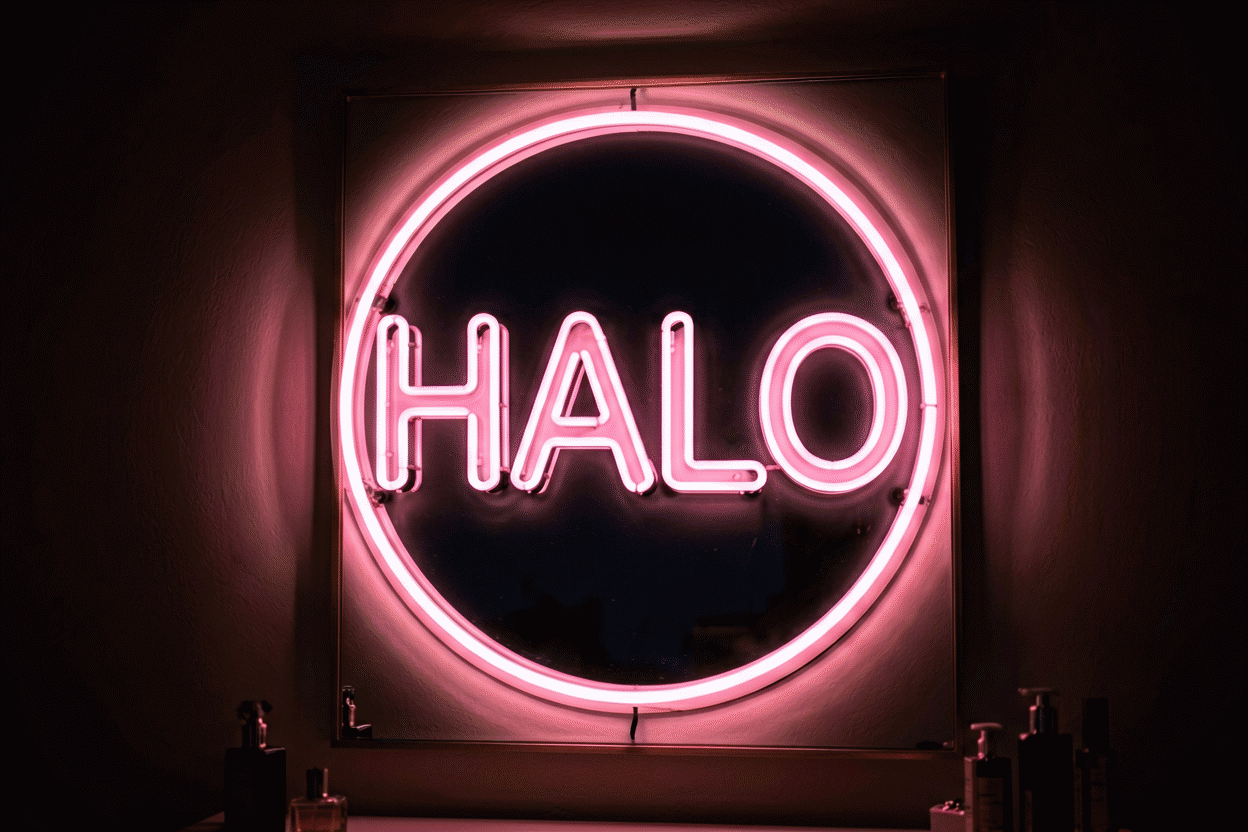
The glow — not the color, the glow — is neon’s actual invention: light that halos, breathes, and spills onto the world around it. The colors of that glow come from three different sources depending on the technology (spectral emission lines in gas, phosphor conversion coatings, and diode chemistry in LED), and the glow itself has structure: a bright core, a soft halo, and the spill that colors nearby surfaces. Understanding the glow’s physics changes how you choose colors — because two signs in “the same color” can glow differently — and it explains the medium’s century of visual power in one page.
The design-side palette conversation lives at what are neon colors and the color chart; this is the glow itself — where it comes from and how it behaves.
Source 1: Gas Emission Lines (The Original Glow)
Glass neon’s colors are atomic fingerprints: electrified gas atoms emit light at specific wavelengths as electrons fall between fixed energy levels — and each element’s set of wavelengths (its emission spectrum) is unique (the mechanism).
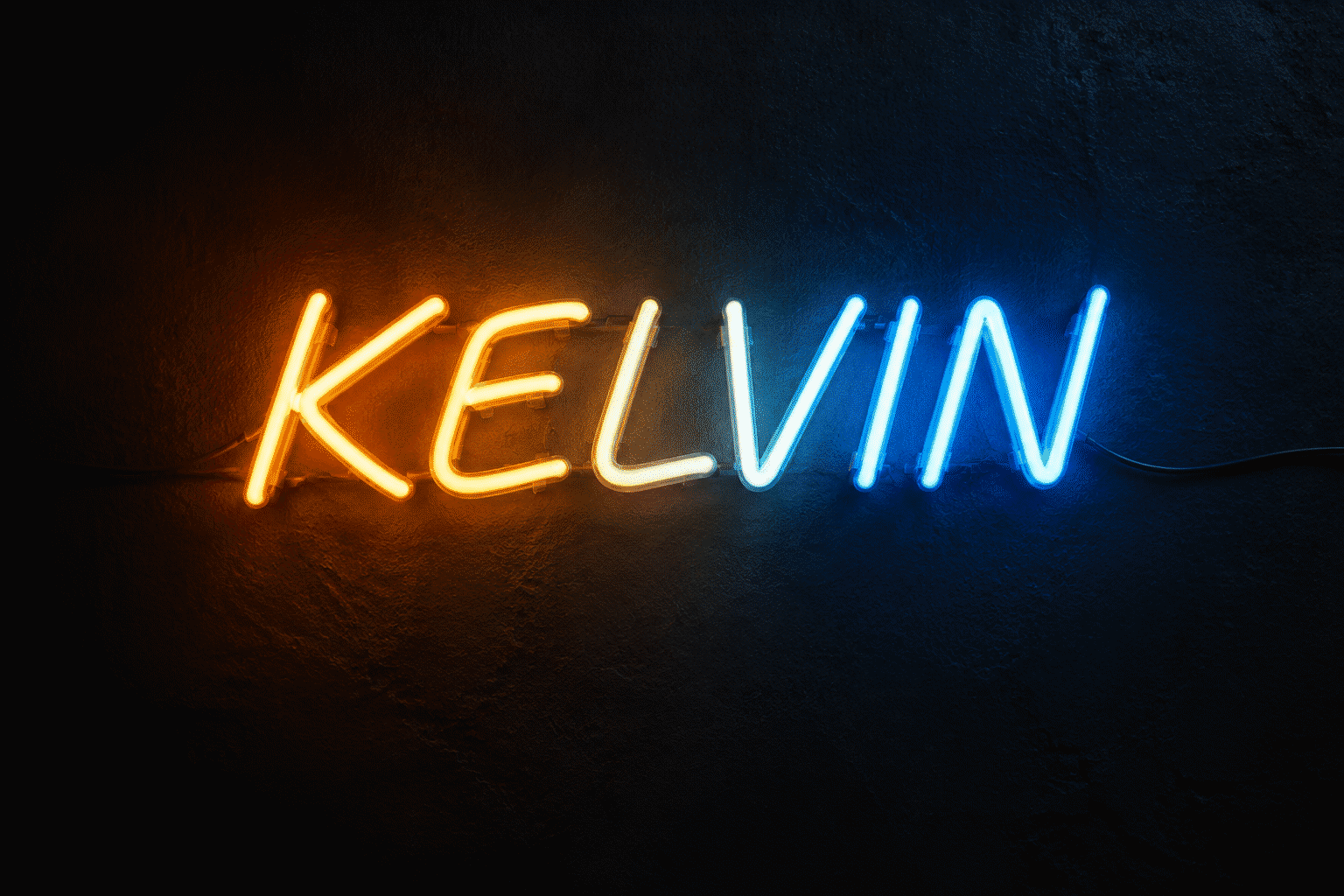
- Pure neon emits almost entirely in the red-orange band (~640 nm) — the medium’s original color, still its signature
- Argon (with mercury’s ultraviolet contribution, historically) produces the blues and violets
- Helium, krypton, xenon fill out whites, peaches, and cool tones (the full roster)
The glow character of gas emission is distinctive: the discharge fills the tube evenly and wraps 360 degrees, with a depth that reads as light inside glass rather than on it — the quality LED engineering spent a decade approximating (the comparison).
Source 2: Phosphor Conversion (The Palette Multiplier)
The glow-color trick that built the modern palette: coat the tube’s interior with phosphors — materials that absorb the gas’s ultraviolet emission and re-emit it as visible light at wavelengths the phosphor chooses. One gas-and-mercury discharge, many phosphor coatings: blues become any blue, whites become any white, and the ~40-color commercial palette exists on a handful of fills. Phosphor glows read slightly softer and more diffuse than direct gas emission — the coating itself becomes the light surface.
Source 3: LED Emission (The Contemporary Glow)
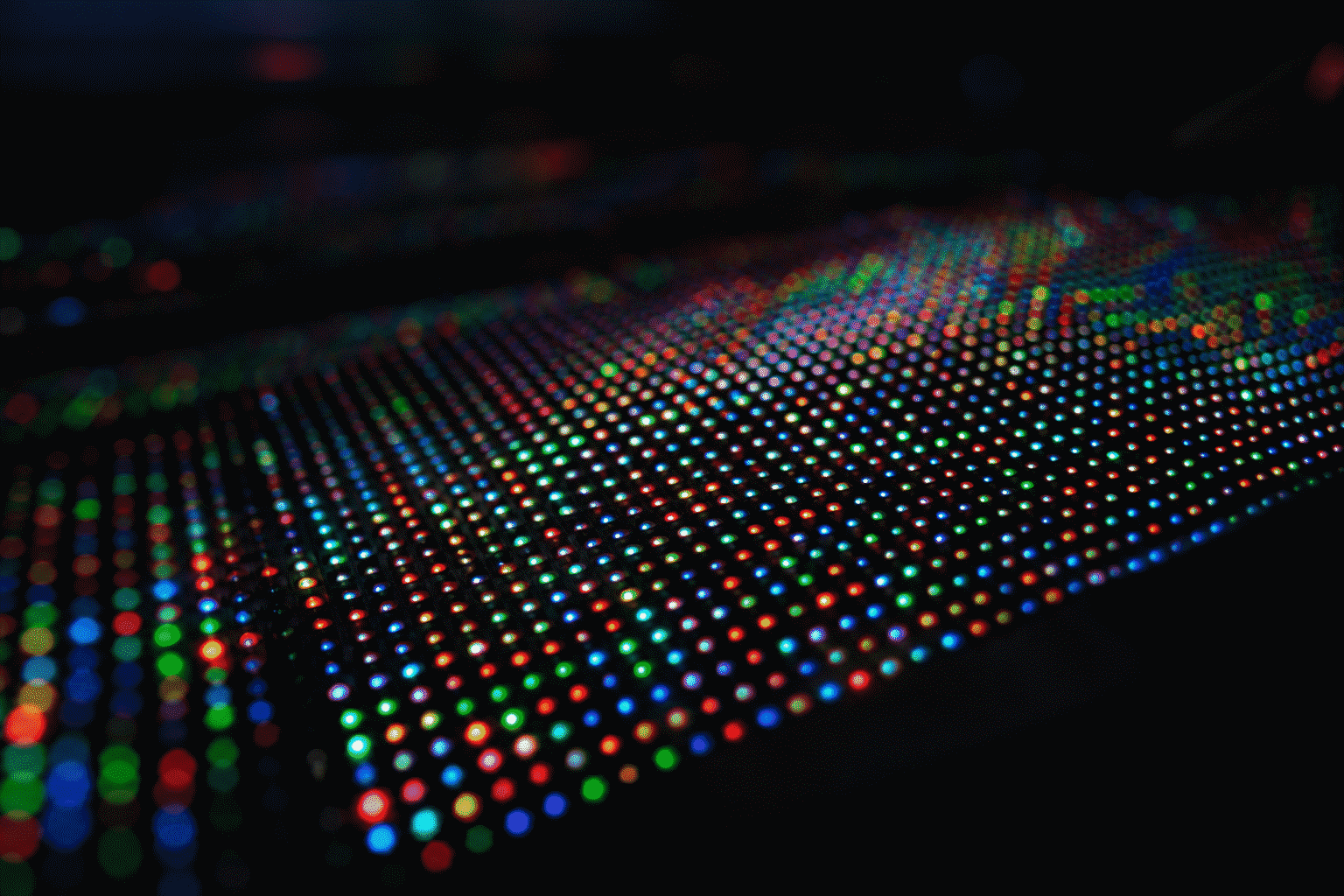
LED neon’s colors come from diode chemistry (the full anatomy): direct-emitting junctions for saturated hues, phosphor-converted blues for whites and warm tones (the same conversion trick, miniaturized), and RGB channel-mixing for color-on-demand (the RGB layer). The glow character differs from glass in identifiable ways: silicone diffusion smooths the line (vs. the tube’s internal depth), and the emission is directional-by-design before the jacket shapes it — closer to “light shaped as a tube” than “light living in a tube.” At proper viewing distance the two read identically; the differences live at close range and in side-by-side purist scrutiny.
The Glow Has Three Layers (The Anatomy)
Whatever the source, the finished glow is structured:
- The core — the brightest line: the tube or flex itself. The color’s most saturated expression.
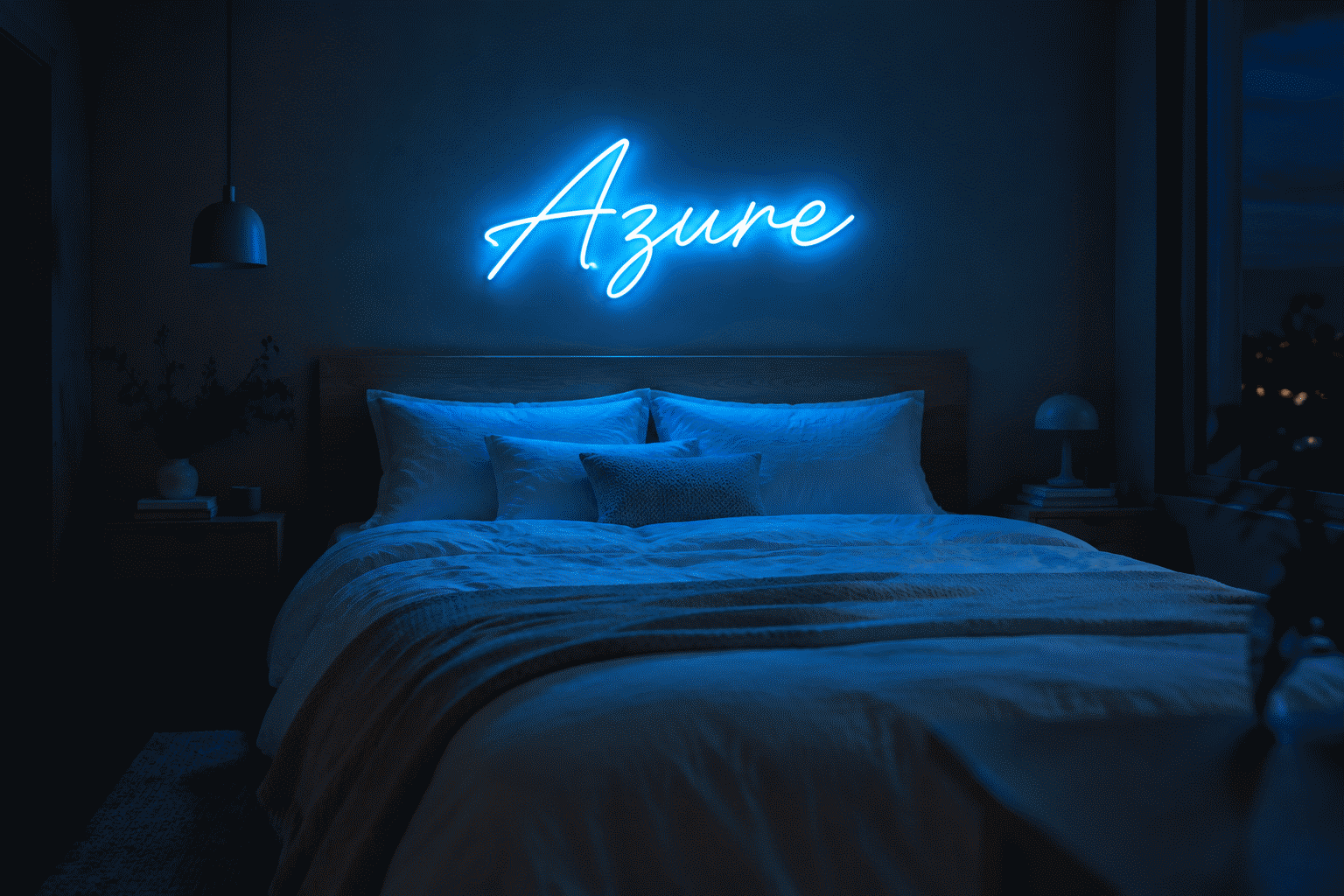
- The halo — the soft band immediately around the core, where glow scatters in the tube’s glass or the jacket’s silicone. This is where “glow” as an aesthetic lives — the breathing edge that flat light lacks.
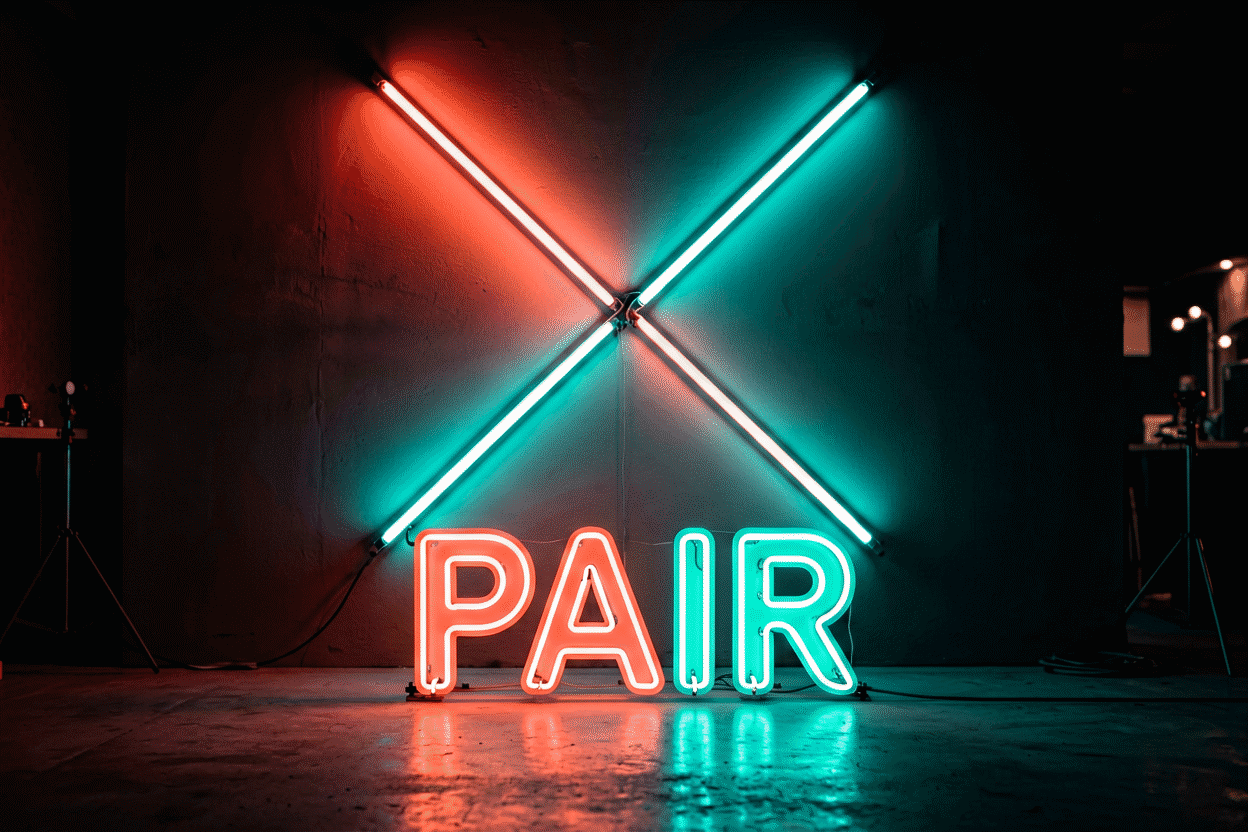
- The spill — the light cast onto surrounding surfaces: the wall’s tinted wash, the ceiling’s reflected glow. Spill is why neon signs change rooms, not just occupy them — and why wall color is a design partner (the interaction: dark surfaces absorb spill and sharpen; light surfaces scatter it and soften).
The dimming behavior of the layers: as you dim, the core fades first to the halo’s level, then everything contracts — at 10–15%, a sign is nearly all halo, which is why deeply-dimmed neon feels like atmosphere rather than object (the dimming physics).
Why Two “Same Color” Signs Glow Differently
The practical buyer’s insight from all the above — glow varies within a color name by:
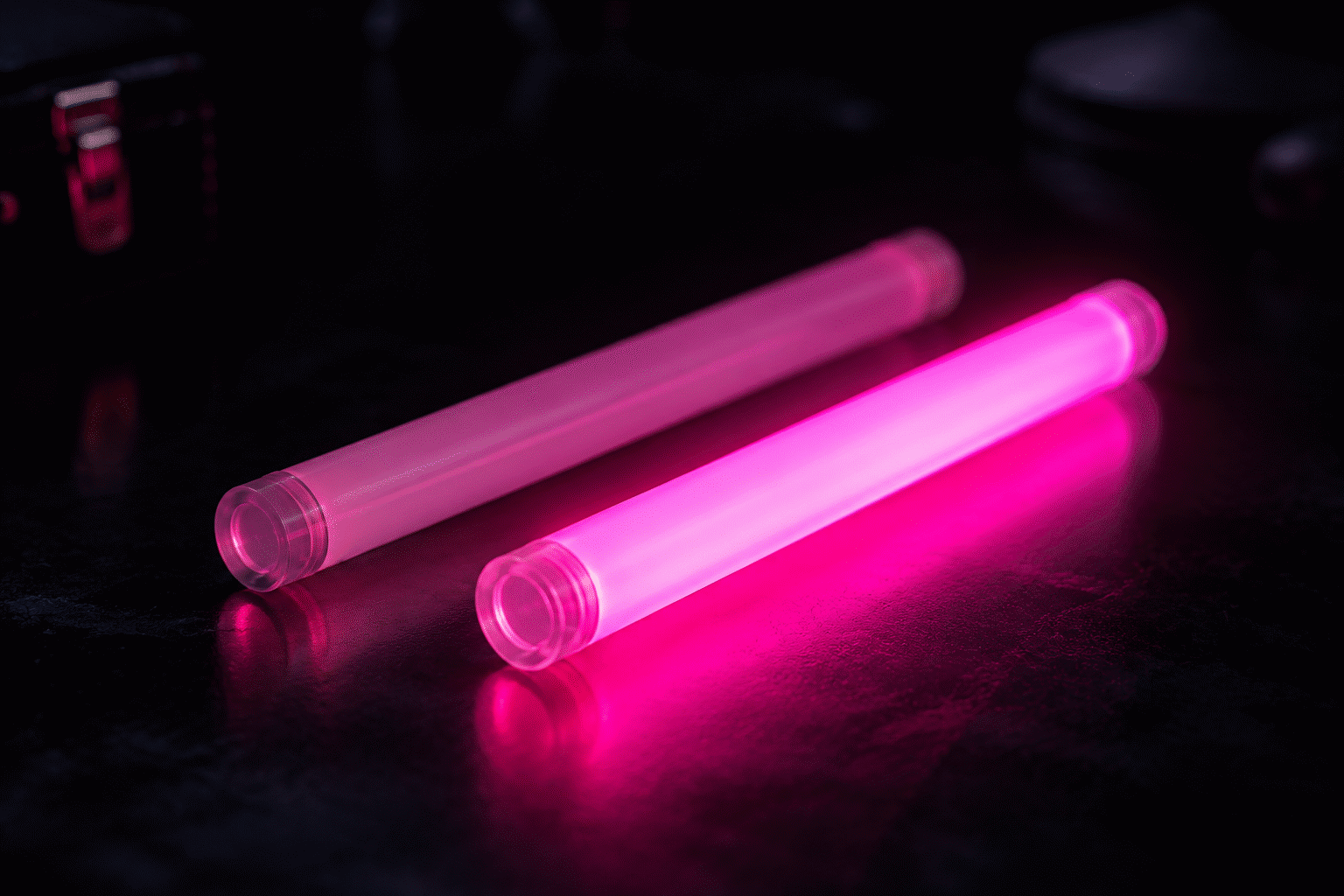
- Source technology: glass phosphor-glow vs. LED jacket-glow of the same nominal hue read differently at close range
- Density and quality: higher LED density (or tube craftsmanship) makes smoother cores and even halos — the “continuous vs. dotted” quality gap (how to check)
- Backing interplay: clear backings pass spill (the room participates); black boards contain it (the sign sharpens) (the trade)
- Dim level: the same sign at 100% vs. 15% is two different glows — both valid, both worth planning
So the buying advice the physics supports: specify the glow, not just the color — source tier, density, backing, and dim plan are all part of “pink” (the full spec checklist).
The Glow’s Century-Old Power, Explained
Why did this particular light become the visual language of nights? Because the glow does what flat light can’t: it marks its object while illuminating its surroundings — sign and lamp in one. The medium’s every use — advertisement, art, mood — runs on that dual nature (the history, the art). When you choose a glow color, you’re commissioning both halves: the thing that glows, and the room it glows onto.
Commission both halves deliberately: your words, the source tier, the backing, the dim plan — all of it renders together in the custom builder.
The Glow Owner’s Physics, Summarized
The glow’s science, compressed to the owner’s practical understanding — the four sentences that matter:
What you’re seeing. Three layers — core (the tube’s saturated line), halo (the scattering edge), spill (the room-tinting wash) — and every aesthetic decision about neon is really a decision about how those three layers behave (the anatomy).
Where the color comes from. Gas emission lines, phosphor conversion, or diode chemistry — three sources, one visual language, and small differences in source quality explaining why two “same-color” signs can glow differently (the three sources).
What changes the glow without changing the sign. Wall color (the spill’s canvas — dark sharpens, light softens (the black physics)), dimming (the layers contract toward pure halo at low settings — the atmosphere register (the dimming anatomy)), and viewing distance (where the three layers fuse or separate).
What you control at order. Source tier, density, backing, and dim plan — the four specifications that determine glow quality before the sign exists (the spec levers).
The physics-respecting buyer’s closing advantage: knowing that “the glow” is a designed system rather than a byproduct explains the medium’s century of intent — every great sign was someone deciding how core, halo, and spill should behave on a specific wall. Join them: design yours.
FAQ: Neon Glow Colors
What colors do neon signs glow? The full palette from three sources: gas emission lines (neon’s red-orange, argon’s blues), phosphor coatings (the broadened palette — any hue from a few fills), and LED chemistry (direct hues plus RGB mixing in modern signs). The complete chart with hex references covers all of them.
How do neon glow colors work? Electrified gas atoms emit light at fixed wavelengths — each gas its own spectral signature; phosphor coatings convert UV emission into chosen visible colors; LEDs emit at their junction chemistry’s wavelength. The three mechanisms explained above.
Why does neon glow and not just light up? The glow is structured: a bright core, a scattering halo around it, and spill onto surrounding surfaces — three layers flat light lacks. That anatomy is why neon changes rooms, not just walls.
Can two neon signs of the same color look different? Yes — by source technology (glass vs. LED glow character), component density and quality, backing interaction (spill passed vs. contained), and dim level. Specifying the glow, not just the color name, is the buyer’s craft.
What was the original neon glow color? Red-orange — pure neon gas emits almost entirely in that band, making it the medium’s only color for its first years and still its signature glow (the history).
Does dimming change a neon sign’s color? The hue holds (LED PWM dimming shifts no color; gas discharge dims evenly) — what changes is the glow’s structure: cores fade toward halo until deeply-dimmed signs read as pure atmosphere. The dim setting is a glow choice, not just a brightness choice.
The glow summary: three layers (core, halo, spill), three color sources (gas lines, phosphors, diodes), and four controllable specs (source tier, density, backing, dim) — the complete physics of why the medium looks the way it does, in one owner-sized page (commission the glow). Two signs in the same color can glow differently, and now you know exactly why — and exactly what to specify so yours glows the way you intended. Why does the same neon color look different in photos? Cameras render glow differently than eyes — sensors clip the core, approximate the halo, and white-balance the spill, which is why the same sign photographs warm, cold, or vivid depending on the device and settings (the photography method). The physical sign is the ground truth; photos are interpretations; and previewing on your own device calibrates the gap before you order.
The glow is a designed system — core, halo, spill — and the specs that shape it are yours to set; that is the owner’s version of the physics, complete.
Physics in, atmosphere out, and the owner holding the dials — the glow’s story, told at the length ownership needs.
Sources & Further Reading
- Cleaning Up a Broken CFL (U.S. EPA) — the federal mercury-spill cleanup procedure; we mirror it for broken glass-neon tubes.
- Neon: Strong Lines (NIST Physical Reference Data) — the standard reference for neon’s emission wavelengths.
- Argon: Strong Lines (NIST Physical Reference Data) — the standard reference for argon’s emission wavelengths.
- Neon sign (Wikipedia) — the consolidated public record of neon-sign history and technology.