18 Neon Signs for Gamers, Ranked by Register
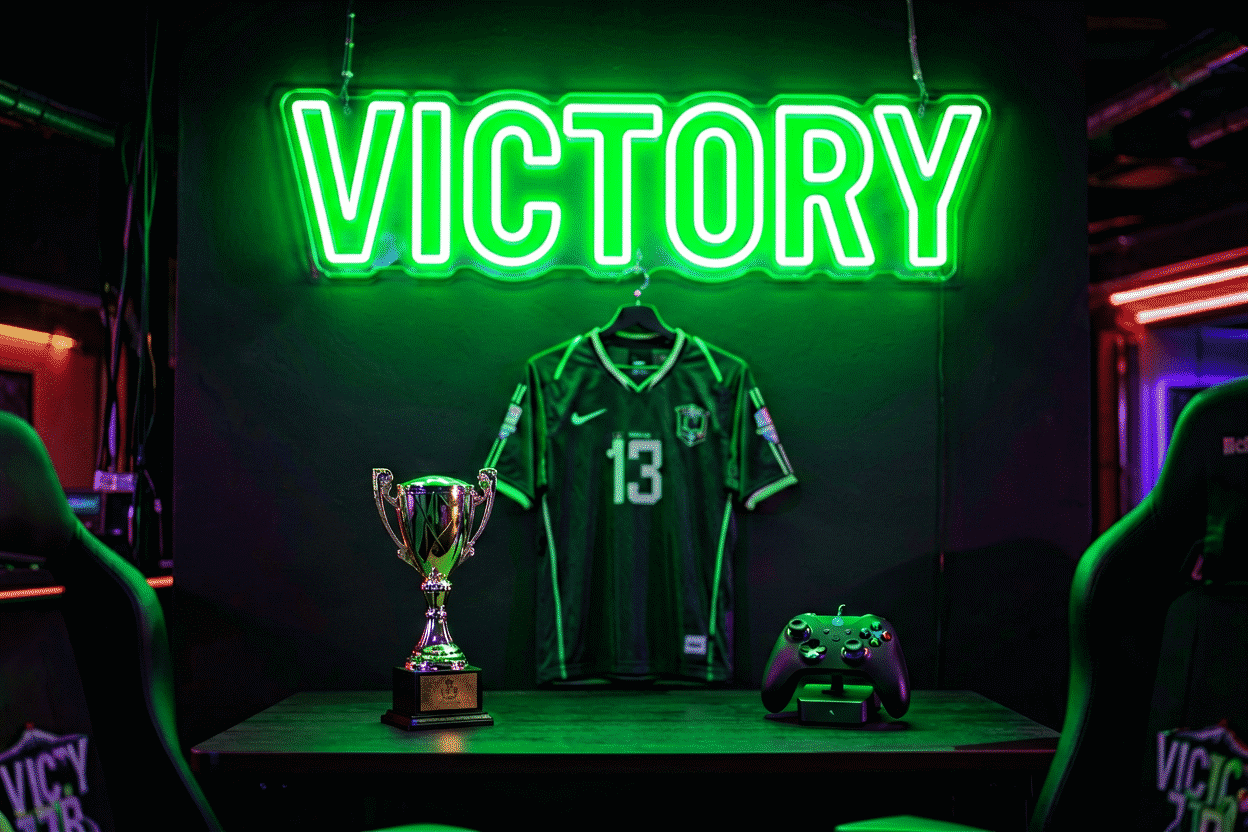
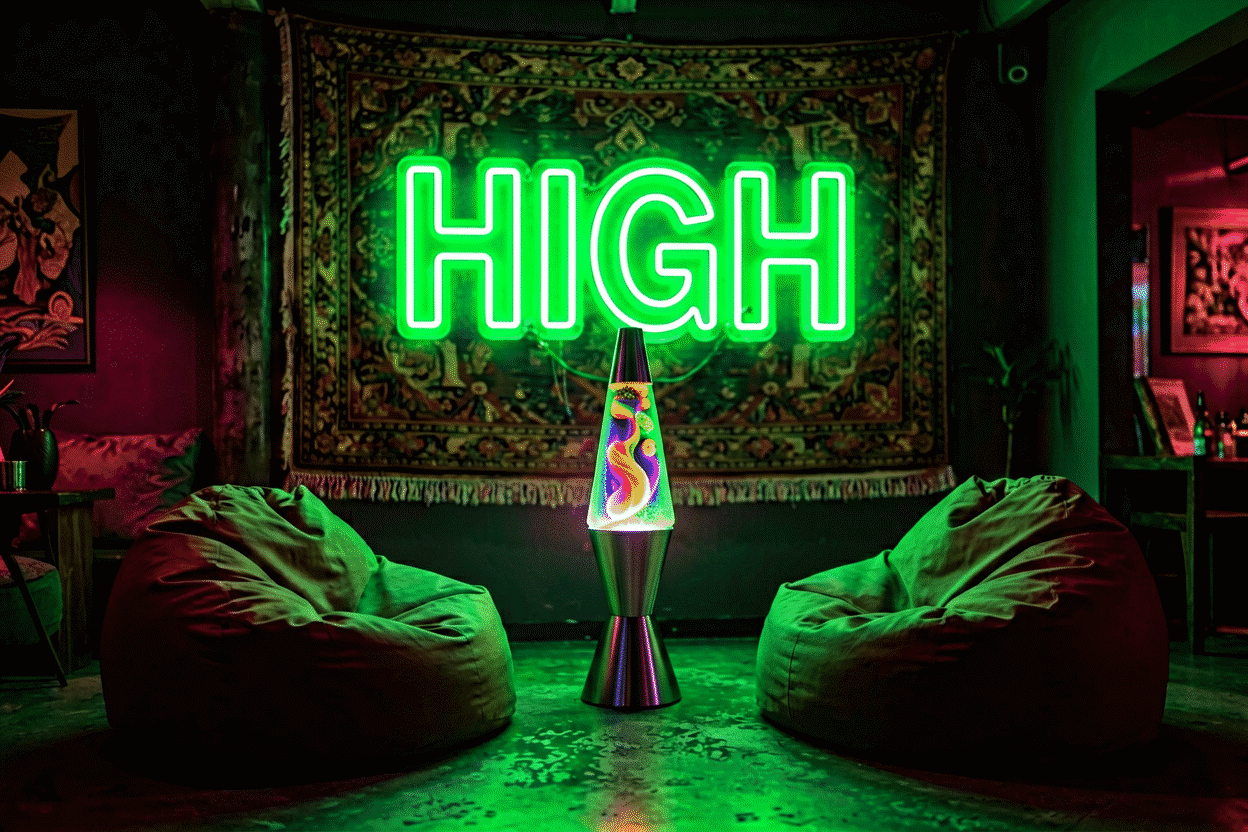
Gamer neon is identity signage — the wall telling the world (and the household) what this room’s person is about. The category runs deeper than “Game On”: the best gamer pieces carry rank, mains, eras, and the specific humor of people who’ve lost to the same boss for a week. This is the register-ranked guide: what the pieces say, what they say about you, and which ones earn their wall.
Here are 18 ideas across the gamer’s registers — identity, status, the games themselves, and the culture tier. The room-system canon lives at gaming room ideas and the setup guide.
The Identity Tier: Ideas 1–5
- The gamer tag — the handle, the font, the color (free preview): the room’s login screen and the category’s highest-identity piece. Outlives every game.
- “Gamer” / “Certified Gamer” — the title card: the register that works when the tag stays private.
- Hustle — the ranked-grind register: the word that covers the climb and the rage in one syllable.
- The age-tier joke — “Adult With Toys” / “Professional Button Masher”: the pieces that carry the demo’s self-awareness.
- The initials-plus-controller combo — monogram and icon together: the identity tier’s tidy version, for the wall that also faces the family.
The Status Tier: Ideas 6–9
- “Game On” — the status piece (the room canon context): the household’s do-not-disturb, run on session switch.
- “AFK” — the two-letter away marker: the status tier’s minimal version, and the joke guests understand fastest.
- “Do Not Disturb — Gaming” — the door-side treaty: the sign that ends the interruption era (placement logic).
- The rank-badge piece — the current rank’s icon in neon: the trophy tier, updated per season (the category’s only sign with a meta).
The Game Tier: Ideas 10–14
- The franchise piece — the anime-and-gaming archive covers the major IPs: the wall’s fandom marker, sized to the devotion.
- The retro-arcade tier — Pac-Man ghosts, invaders, the 8-bit heart (the retro context): the era pieces that read classic to every generation.
- The main’s icon — your character’s symbol: the specific devotion piece, changed per meta, kept per nostalgia.
- The item tier — the heart container, the coin, the potion: the in-game objects, glowing — the register only players parse, which is the point.
- The custom-quest piece — the party’s names or the guild’s tag (preview): the multiplayer identity, lit.
The Room & Culture Tier: Ideas 15–18
- The purple setup piece — the creator-economy register: purple carries the stream era, on or off camera.
- The blue tech build — the FPS-and-hardware register: crisp, cool, and monitor-friendly.
- The bias-glow strip — glow behind the monitor: the functional piece that reduces eye strain and reads designed (the engineering).
- The esports-city piece — the team’s logo or city in team colors: the fan tier, growing fast with the leagues (the sports crossover).
Palette by Game Taste
The gamer palette maps to genre: purple for the stream-and-creator rooms, ice blue for FPS and tech, green for the classic-and-matrix registers, red for ranked energy (the full decoder). Brightness runs the setup physics: 50–70% for session glow, bias-light positioning for the long nights, and the power math that lets the whole rig glow for pocket change.
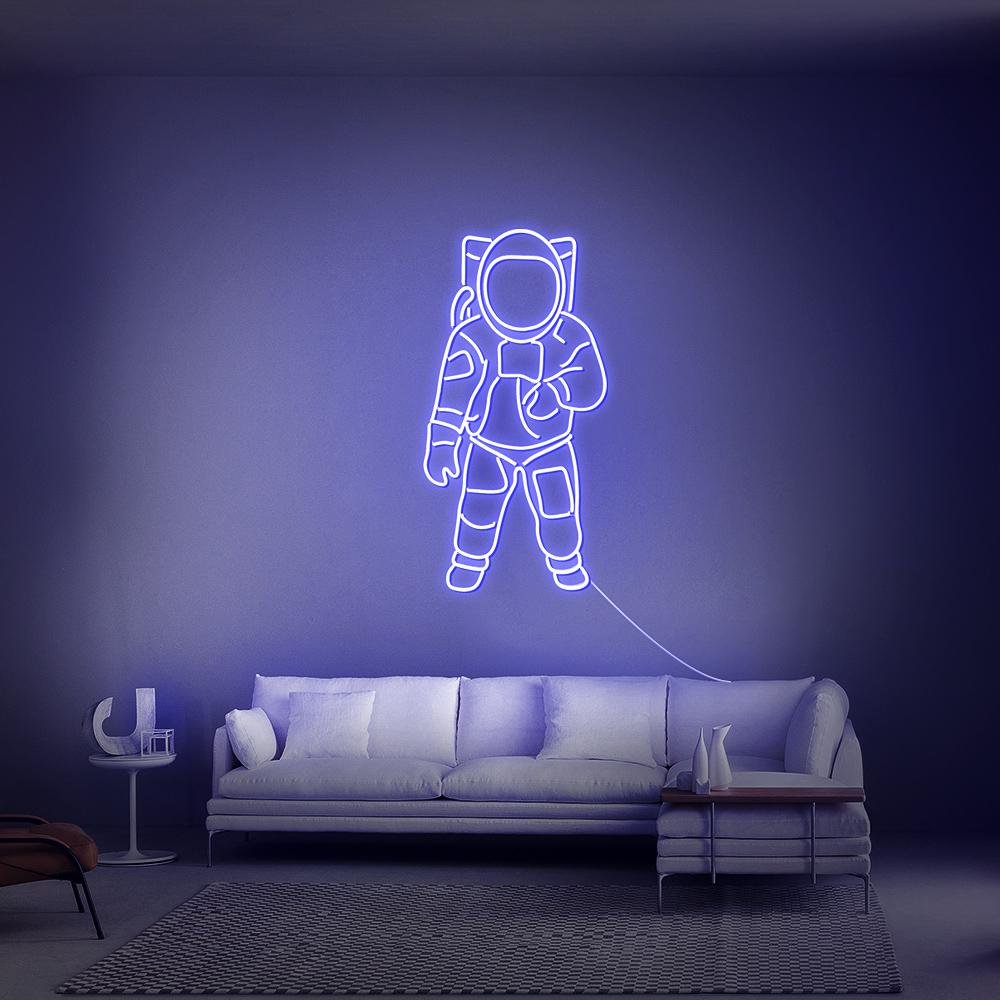
Placement runs the two-wall system: identity and game pieces on the camera wall (behind the shoulder, never behind the head), status pieces on the door, glow behind the monitor. The pieces that say the most go where the webcam sees; the pieces that say it loudest go where the household learns.
The Gamer’s Buying Sequence
The gamer wall buys in a sequence that respects both identity and budget. First: the tag (preview) – the handle in the color, the identity piece that predates and outlives every game. The tag is the gamer’s namepiece (the name logic applies): the one purchase that never expires. Second: the status tier – “Game On” or “AFK” door-side, the household’s treaty piece. Third: the franchise or era piece – the game devotion, bought at the depth the devotion runs (the phase pieces cheap, the classics at mid-tier). Fourth: the glow layer – the bias strip and the RGB anchor, the room’s engineering.
The sequence’s logic: identity before status, status before devotion, devotion before engineering – because the tag works in every room the gamer ever has, the status piece works in every household, and the game pieces work until the meta shifts. The reverse sequence (the game piece first, bought at the passion’s peak) is the category’s most common regret: the wall of last year’s main game, glowing the era that ended.
The gift-buyer’s sequence (for the non-gamers buying for gamers): the tag if you know it, the icon if you know the game, “Game On” if you know neither – the three confidence tiers in descending order, with the gift card’s honest fourth place for the truly uncertain (the gift logic).
The Room’s Two-Wall System, In Practice
The gamer’s room runs the camera wall and the monitor wall as separate systems – and the discipline of separating them is what keeps the room working. The camera wall (behind the seat): the tag, the franchise pieces, the rank badge – the identity tier, shoulder-mounted, at the brightness that flatters the face on stream (the streamer logic). The monitor wall (behind the screen): the bias glow, the RGB anchor – the engineering tier, at the offset that lights the room without glaring the screen (the setup physics).
The two walls’ budgets split by ambition: the casual room runs the monitor wall only ($80-200 – the bias glow and one accent); the streaming room runs both walls ($250-600 – the identity tier joining the engineering); the flagship runs the full system ($600-1,200 – the milestone counters, the community pieces, the dual-zone temperatures). The room’s level tells you the budget – the gamer who streams buys the camera wall; the gamer who doesn’t buys the glow.
FAQ About Neon Signs for Gamers
What’s the best neon sign for a gamer? The gamer tag — identity, permanence, and no game-expiry date (preview). “Game On” for the status tier; the franchise pieces for the fandom tier; the rank badge for the climb.
What color neon is best for a gaming room? Genre-mapped: purple for creators, blue for FPS, green for classics, red for ranked (decoder). One dominant register per room keeps the identity legible.
Where should gamer neon go? The camera wall for identity pieces (shoulder-mounted), the door for status, behind the monitor for glow — the setup guide covers the full two-wall system.
Do these work as gifts for gamers? The tag (if you know it), the main’s icon (if you know the game), and “Game On” (if you know nothing else): the three confidence tiers of gamer gifting, in order.
What is the most popular gaming neon sign? The gamer tag – the handle in the chosen color (preview): the identity piece that predates and outlives every game, the category’s highest-identity purchase (the gamers’ canon above). “Game On” runs second (the status tier’s default), the controller and bolt shapes third (the zero-word icons), and the franchise pieces fourth (the devotion tier – the anime archive for the IP range). The ranking’s logic: identity before status, status before devotion – the tag works in every room the gamer ever has, and the game pieces work until the meta shifts.
How much does a gaming neon sign cost? The corner setup runs $80-200 (the tag plus the bias glow – the identity and the engineering); the room setup runs $200-500 (the two-wall system); the flagship runs $500-1,200 (the full composition – the budget tiers above). The tag commission (preview) runs $100-300 by size – the identity purchase that outlives every game and moves to every room the gamer ever has. The whole rig’s glow draws less than one accessory fan (the math) – the setup’s cheapest component per hour of use.
Are neon signs worth it for gaming rooms? The room’s best per-dollar upgrade: the identity tier (the tag – the piece the stream’s regulars and the household both recognize), the function tier (the bias glow – the eye-strain reduction that the long sessions feel), and the mood tier (the evening’s glow at the 50-70% band) – three jobs, one medium, at the $80-300 the corner setup runs. The worth-it math: the gaming room spends its budget on frames per second; the neon spends it on the hours between the sessions – the room’s identity, the setup’s atmosphere, and the glow that makes the corner the room you want to be in. The gamer wall that runs the tag and the glow is the room that feels like the player’s – the worth that the benchmark can’t measure.
Do neon signs cause monitor glare? Only when mounted in the screen’s bounce path — the zone behind and slightly above your seating position that reflects into the panel. The fix is geometry, not brightness: side walls and the wall behind the screen (offset from center) host glow beautifully, and a dimmer handles the rest. Streamers actually chase a controlled version of the effect, bias lighting behind the monitor that reduces eye strain during long sessions.
What’s the streaming setup’s glow hierarchy? Webcam-facing wall gets the identity piece (IGN, team tag, signature icon) at head height; the monitor-backlight tier runs bias lighting in a fixed hue; everything else stays off-camera. The hierarchy exists because viewers read the frame in two seconds — one clear glow identity brands the stream, while three competing pieces turn the background into visual noise that fights the gameplay.
The Identity Piece vs the Game Piece
The gamer wall’s two devotion formats, compared:
| Decision axis | The identity piece (the tag) | The game piece (the franchise icon) |
|---|---|---|
| The longevity | Every room, every year (the handle is permanent) | The game’s run (the meta shifts, the piece retires) |
| The budget logic | Buy once, at quality | Buy per devotion, at the entry tier |
| The wall economics | The camera wall’s anchor | The camera wall’s rotation |
| The gifting | Requires the intel (the tag) | Requires the game (the current one) |
| The failure mode | The font that dates (the classic scripts solve) | The abandoned-game wall (the category’s regret) |
| The resale | Never (the name is yours) | Never (the fandom is personal) |
The comparison’s sequencing rule – identity before devotion (the buying sequence above) – exists because the two formats’ lifespans differ by an order of magnitude: the tag works in every room the gamer ever has, and the game piece works until the meta shifts. The reverse sequence (the game piece first, bought at the passion’s peak) is the category’s most common regret: the wall of last year’s main game, glowing the era that ended.
The two formats’ working combination: the tag anchoring the camera wall (the identity the stream’s regulars recognize) with the franchise pieces rotating around it (the era’s devotion, dated proudly and retired gracefully) – the gamer wall that runs both formats in their right sizes never needs a rebuild (the two-wall system for the placements).
Sources & Further Reading
- Neon sign (Wikipedia) — the consolidated public record of neon-sign history and technology.
Pricing based on CustomNeon’s current catalog (2026); custom quotes come live from the sign builder.