Neon Day: When and How the Glow Gets Its Holiday
Neon Day is the unofficial holiday celebrating the glowing sign — observed most commonly as National Neon Sign Day on June 19, honoring the 1910 date associated with neon signage’s first public debut (Georges Claude’s Paris Motor Show display, December 1910, is the date the sign trade itself marks; the holiday calendar’s June observance is the one most listings share). And right there you see this holiday’s honest character: it’s a grassroots observance with competing dates and no central authority — celebrated by sign shops, neon museums, and glow-lovers who don’t particularly care which calendar line wins, because the point is the party.
Here’s what’s actually being celebrated, the date tangle explained, and — more usefully — how to observe it well whether you own a sign, sell with one, or just love the glow.
What’s Being Celebrated
The holiday marks the moment advertising learned to glow: Claude’s engineering turning the 1898-discovered gas into the 1910–12 commercial medium that would light the century (the full invention story). Whatever date you observe it on, the honoree is the same chain of events — lab curiosity → craft industry → the visual language of modern nights — and the celebrants are its three constituencies:
- The trade — sign shops, benders, and restorers, for whom it’s a professional feast day
- The institutions — neon museums running special tours and night events around the observance (the museum circuit)
- The enthusiasts — collectors, photographers, and everyone with a phrase glowing over their bed
The Date Tangle, Honestly
Unofficial holidays accumulate dates like folklore, and Neon Day is a textbook case: the most-repeated listing marks National Neon Sign Day in June, while the medium’s actual public-birthday anchor points to December 1910 (Claude’s Motor Show display) and the first commercial install followed in 1912. Some communities observe on yet other dates tied to local sign history. There is no registering authority to arbitrate — which means:
- If you’re celebrating: pick the date your community uses, or the one with the best story for you — the glow doesn’t check calendars.
- If you’re publishing (a business post, an event): anchor your date choice to a source and say so — “observing the June date” is more credible than an unqualified claim.
- If you’re fact-checking: the underlying events (1898 discovery, 1910 debut, 1912 first commercial sign) are rock-solid; only the observance date is folklore. The timeline has the fixed points.
How to Celebrate It Well
For the individual glow-owner:
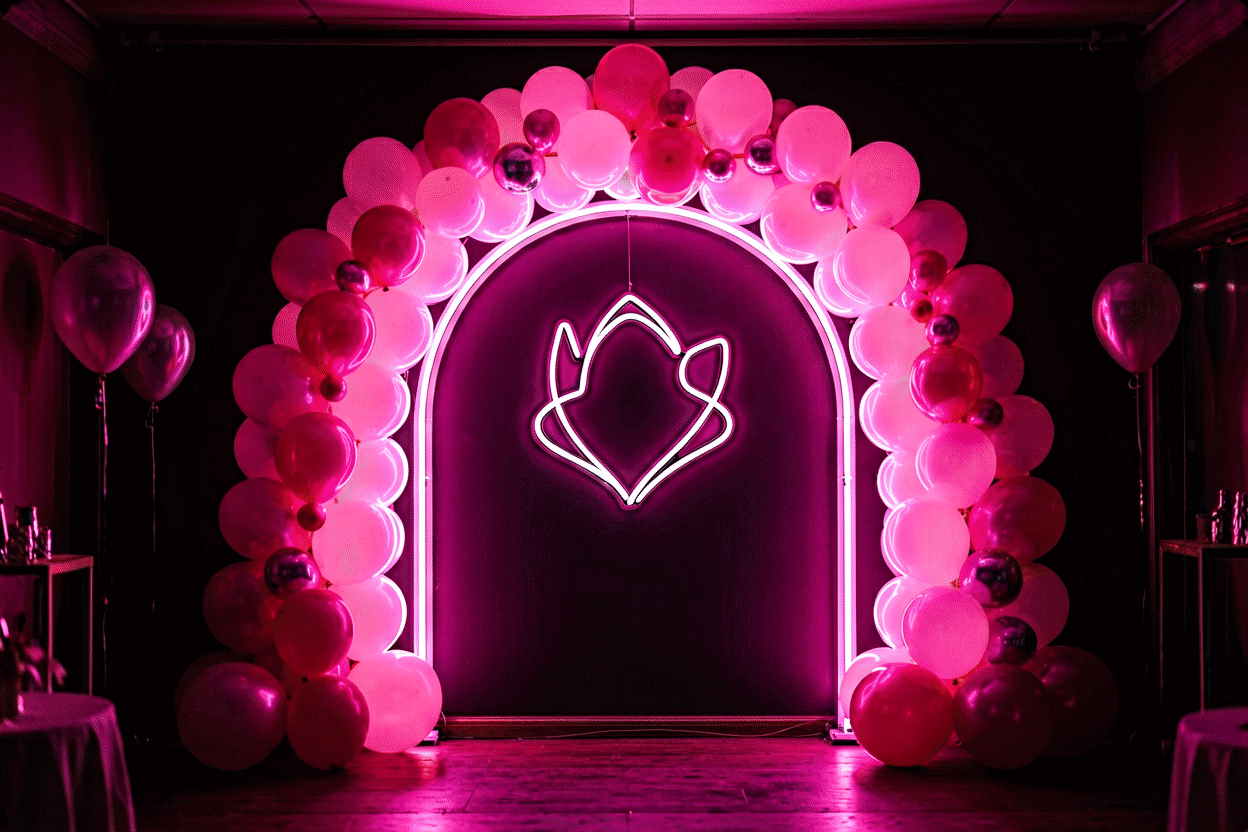
- Run the sign at full brightness for one evening — the holiday is the one night maximalism needs no justification (dimming discipline can resume tomorrow)
- Photograph it properly — the exposure craft that does the glow justice (the guide) — and share with the day’s tags
- Take the maintenance half-hour as an observance: the wipe-down, the connector check — a holiday of longevity for a longevity-of-a-medium (the routine)
For businesses that run neon:
- Feature the sign in the day’s marketing — the storefront’s glow is the content (the business case)
- Run a Neon Day promotion — the holiday functions as a ready-made campaign hook for bars, salons, and cafes whose identity runs on glow
- Tell the sign’s story: when it went up, what it says about the place — customers share origin stories more than discounts
For the photographers and explorers:
- The night-walk: your city’s surviving sign architecture, shot properly — the Neon Cruise model (MONA’s version) in your own streets
- Vintage hunters: the day is the collecting calendar’s natural open season (where the pieces trade)
For everyone:
- Learn one neon fact worth retelling — the holiday’s native unit of celebration (we stock 24)
- Visit a neon museum or catch their event programming around the observance
- Design the sign you’ve been meaning to — the commemorative move: the holiday that ends with a new glow on your wall, via the custom builder
Why Unofficial Holidays Like This Matter
Small observances are how subcultures maintain their objects: Neon Day keeps the medium’s memory circulating in the feeds era (where the glow is thriving — the aesthetic’s current chapter), gives the shrinking glass-bending trade an annual public audience (the craft), and organizes the museum programming that funds preservation. A holiday with competing dates and no owner is also one nobody can kill — folklore is durable in exactly the way institutions aren’t.
So whenever you observe it: raise a glass to Claude’s transformers, Ramsay’s gas, and every bender since — the whole century of people who made night say something. And if the holiday finds you glow-less: the remedy is one session away in the builder — words, color, wall, done by next Neon Day.
The Merchandising Angle: Neon Day for Businesses
For sign-adjacent businesses — the holiday as a commercial instrument, worked honestly:
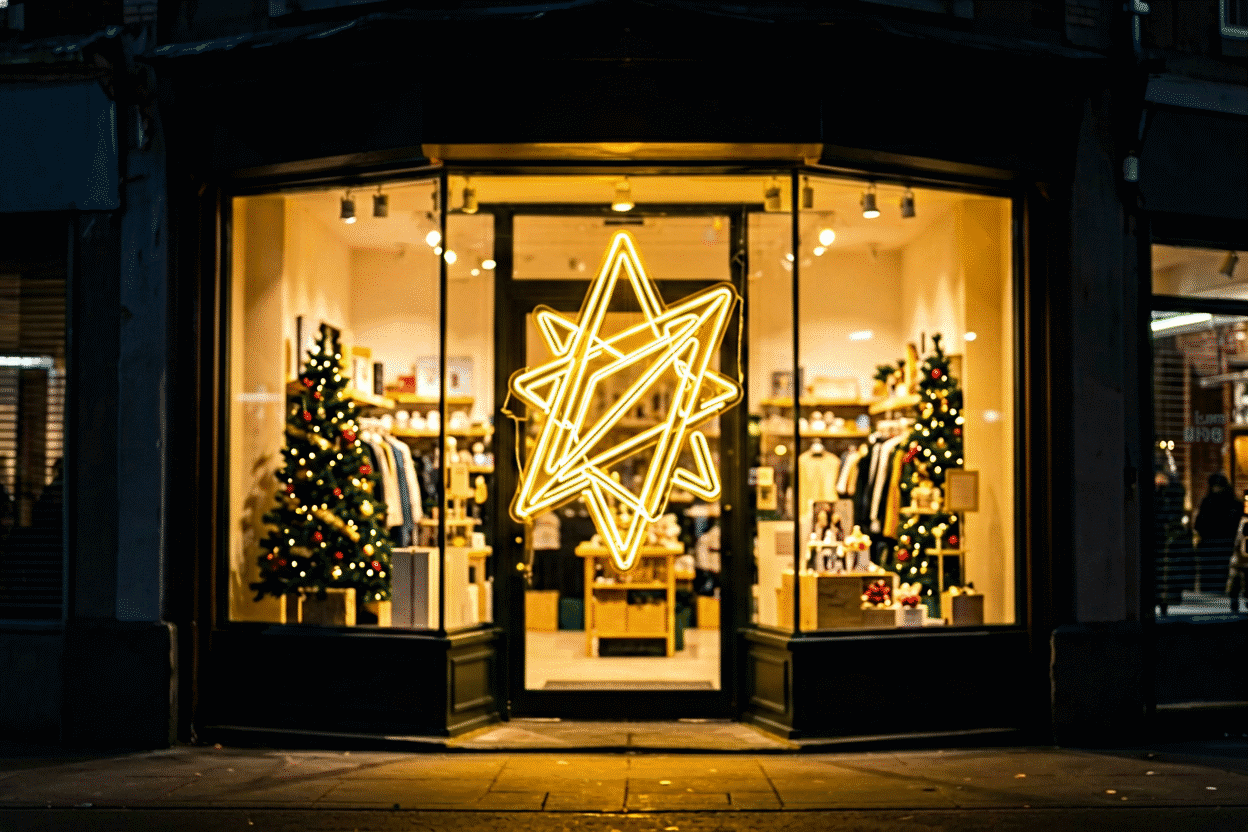
The promotion mechanics. The day functions as a ready-made campaign peg: limited-time offers on sign-related goods (custom sign makers running the annual sale window), event-night specials at glow-forward venues (bars and cafés running Neon Day parties with the signage as the hero), and content pegs for the feed calendar (the before-and-after glow posts, the sign’s story, the facts worth sharing). The honest timing note: with the date folklore unsettled (the tangle), businesses gain by anchoring their observance publicly — “we celebrate on X because Y” reads as authenticity rather than confusion.
The community angle. Local sign shops and neon museums run the day’s real programming: open-bench demonstrations (the bending craft shown live — the trade’s best recruiting and PR in one event), restoration fundraisers (the preservation community’s annual moment), and walking tours of local signage heritage. Businesses that participate in the civic version buy goodwill no ad matches (the institutional world).
The content calendar slot. For makers and retailers, Neon Day is the signage year’s natural content node: the anniversary post (your shop’s first sign), the process content (how signs are made (the factory tour)), the customer gallery (the signs you’ve built, glowing in their homes), and the look-ahead (what you’re working on). The day rewards makers with archives and embarrasses those without — the quiet annual audit of whether you’ve been documenting your work.
The one warning from the merchandising file: the day resists over-commercialization by its nature (an unofficial hobby holiday has no sponsor to appease and no audience expecting polish). The businesses that win it are the ones celebrating the medium rather than discounting it — the glow community’s taste runs genuine, and it can tell (the culture chapter). Mark the day, tell a story, show the craft; the sales follow the sincerity.
FAQ: Neon Day
When is Neon Day? The most common listing observes National Neon Sign Day on June 19, while the medium’s public-birthday anchor is December 1910 (Claude’s Paris Motor Show debut) — the holiday is unofficial with no single authority, so date choice is community folklore. The underlying history is solid either way.
What is National Neon Sign Day? The grassroots observance celebrating the invention and culture of the glowing sign — marked by sign shops, neon museums, collectors, and glow-enthusiasts with events, photography, promotions, and tributes to the craft.
Why does Neon Day have different dates? Because unofficial holidays accrete dates from different origin stories — the June listing, the December 1910 debut, and local sign-history dates — with no registry to arbitrate. Celebrants generally pick their community’s date; publishers should anchor theirs to a stated source.
How do people celebrate Neon Day? Sign owners run full brightness and photograph their pieces; businesses run glow-themed promotions; museums stage special tours; photographers walk their cities’ surviving sign architecture; and the craft’s fans trade neon facts — the celebration menu above.
Is Neon Day an official holiday? No — it’s a observance-level holiday (like Talk Like a Pirate Day): no governmental status, no central owner, kept alive entirely by the communities who celebrate it. That informality is arguably its durability.
What’s the best way to celebrate Neon Day at home? Full-brightness evening, a proper photoshoot of your sign, the ten-minute maintenance check as a longevity ritual — and, if the collection lacks a piece, designing the next one in the custom builder. The holiday’s summary: a folk observance with competing dates and no owner, celebrated by the trade, the museums, and everyone with a glow to run at full brightness for one evening (the celebration menu). Whenever you mark it, the observance is the same — appreciation, a photograph, the maintenance half-hour, and perhaps the commemorative act: the next sign, designed on the day that celebrates the medium.
A Closing Thought for the Observance
However you mark the day — full brightness and a photoshoot, the maintenance hour, a museum visit, or the quiet appreciation of whatever glows in your own rooms — the observance honors the same chain: a lab bench in 1898, a French engineer’s stubborn transformers, a century of benders and sign painters, the preservationists who saved the masterpieces, and the engineers who put the look in every bedroom’s reach. That is a lot of history behind one evening’s glow, and it is exactly what unofficial holidays are for: the objects we live with, and the stories we keep lit (the whole story). Happy Neon Day, whenever you keep it.
Sources & Further Reading
- Neon sign (Wikipedia) — the consolidated public record of neon-sign history and technology.