Museum of Neon Art: MONA and the Neon Museum
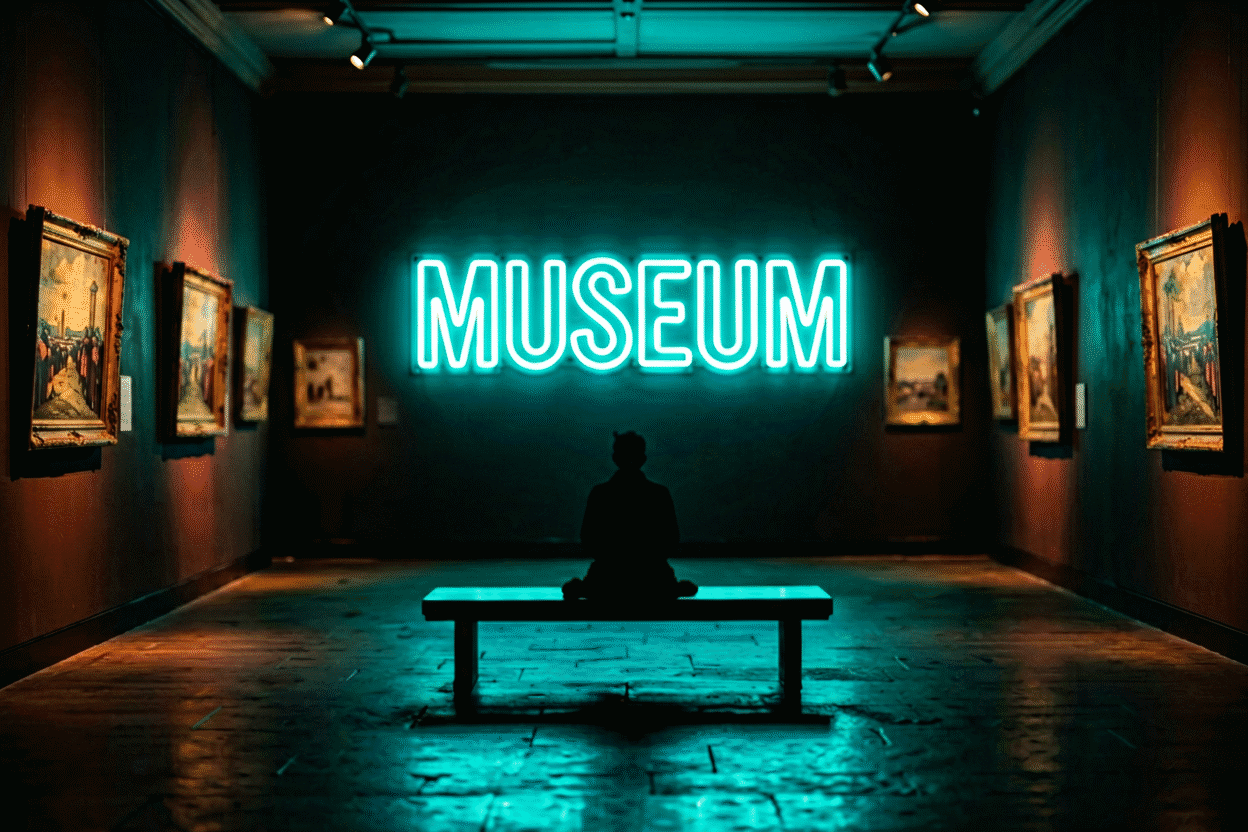
Two American museums anchor the neon world: the Museum of Neon Art (MONA) in Los Angeles — the institution that declared neon a fine-art medium in 1981 and still exhibits it as art — and The Neon Museum in Las Vegas — the rescue operation that grew into the guardian of the sign age’s commercial masterpieces, Boneyard and all. Between them they hold the medium’s split identity: art in Los Angeles, heritage in Vegas, and both cities’ institutions have spent decades teaching visitors that the glowing sign is worth saving, studying, and standing in front of at dusk.
This is the guide to both — what each collects, what a visit is actually like, and the wider museum circuit for the neon-inclined. The full art-historical story behind these institutions lives at neon art history.
MONA: The Art Institution
The claim: founded 1981 in Los Angeles — the first museum anywhere dedicated to neon and electric art as fine art. Its founding thesis, radical at the time and now obvious: the bent tube belongs in the lineage of sculpture and drawing, not just the storefront.
What it holds and shows: a permanent collection spanning fine-art neon and kinetic/electric media; rotating exhibitions of contemporary light artists alongside historical pieces; and — the beloved civic program — the Neon Cruises: guided bus tours of Los Angeles’s surviving historic signage, the city’s facades as an open-air collection. MONA also runs classes in neon tube-bending — one of the few places a civilian can learn the craft from working artists.
The visit: located in Glendale since 2016 — a compact, gallery-like space (plan an hour or two rather than a day) whose programming rewards checking the exhibition calendar before you go. MONA reads as an art museum that happens to glow — quiet, curated, idea-forward — arguably the right first stop for the art-side visitor.
The Neon Museum: The Heritage Institution
The claim: Las Vegas, established formally in 1996 from rescue beginnings — its collection of historic casino and hotel signage, saved as the city imploded and remodeled its way through its own history, is the world’s signature neon archive.
What it holds and shows: the famous Neon Boneyard — the outdoor sculpture garden of retired casino giants, where the signs stand at rest in the desert light and, restored, lit again at night; the Brilliant! and restored-signs programming; and the visitor center set inside the restored lobby shell of the La Concha motel — itself a preservation landmark. The collection tells Vegas’s story through its signage dynasties: the Sahara, the Stardust, the Moulin Rouge, the Hugh Hefner-era treasures.
The visit: timed-entry, tour-based, and genuinely different by day and by night — daylight shows the craft and scale (the letters, the porcelain, the steel); night tours light the restored pieces, which is the experience people travel for ([photography is permitted and the whole place is engineered for it — the Boneyard at night is one of the most photographed sites in the city]). Book ahead: night slots, the signature product, sell out days out in season.
Day or night? Both honestly earn their tickets: day for the archaeology, night for the resurrection. If forced to one: night, first visit, always.
The Two, Compared
| MONA (LA) | Neon Museum (Vegas) | |
|---|---|---|
| Founded | 1981 | 1996 |
| Identity | Fine art | Heritage preservation |
| The signature | Neon Cruises + bending classes | The Boneyard at night |
| Setting | Gallery (Glendale) | Outdoor sculpture garden |
| Visit length | 1–2 hours | 1–2 hours (booked tours) |
| Best for | The art-history visitor | The history-and-spectacle visitor |
| Pair it with | LA’s surviving sign architecture | Vegas’s living casino strip |
The Wider Circuit
For the completist, the neon-museum genre extends well beyond the two anchors: The American Sign Museum in Cincinnati (the broader signage story, neon within it — and the largest sign-museum collection in the US); the Neon Museum of Philadelphia (community-built collection of salvaged local signs); the Museum of Neon Signs in Warsaw and European counterparts (Warsaw’s Muzeum Neonów is the continent’s beloved example); New Zealand’s Neon Sign Museum in Auckland’s skyline precinct; plus permanent installations inside general museums worldwide (MoMA’s neon holdings among them — the art history). The pattern everywhere is the same: local rescue, craft celebration, night photography.
Why These Museums Matter (The Short Version)
The sign age died commercially — plastic won, cities repainted, the trade aged — and these institutions are why the medium survived its own obsolescence with dignity: art gave neon a post-commercial reason to exist (the transformation), preservation gave its masterpieces a place to stand, and both gave the restorers and benders a livelihood that kept the craft’s knowledge alive. Every custom sign made today — glass or LED — is downstream of that rescue (the current craft).
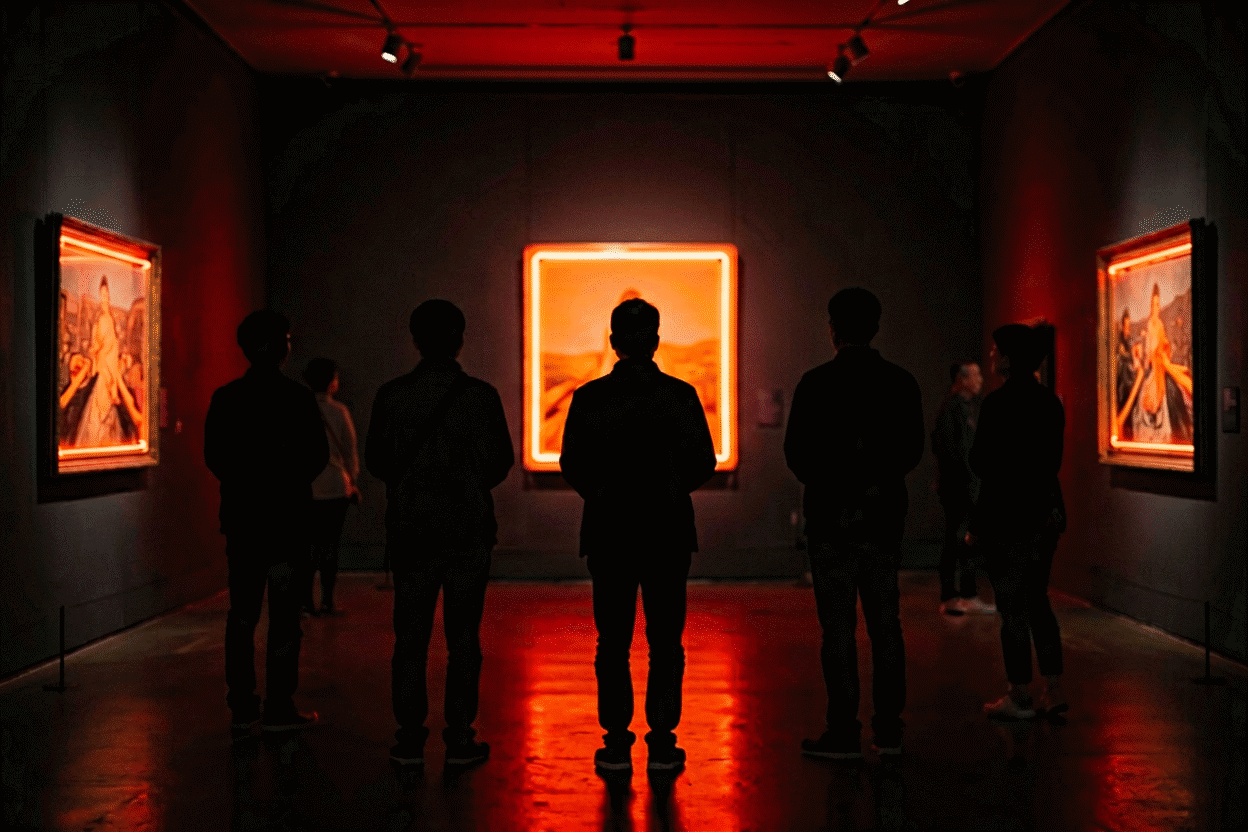
And the museums’ quiet effect on visitors is consistent: people leave wanting one. A piece of the glow, personal-scale, for their own wall — which is exactly what the modern custom market exists to provide. Browse the vintage vocabulary for era-accurate inspiration, or skip to the ending everyone reaches: your own words, glowing — the builder’s here.
Planning the Neon Pilgrimage: An Itinerary
For the traveler assembling the neon circuit — the practical itinerary:
The Los Angeles weekend (MONA-centered). Day one: MONA in Glendale (check the exhibition calendar first — the space is programming-driven (the MONA profile)), then the evening Neon Cruise if scheduled (the bus tour of LA’s surviving signs — the city’s facades as the collection’s annex). Day two: the self-guided follow-up — downtown LA’s historic theater district and surviving storefront signage, then the valley’s mid-century remnants. The LA trip’s secret: the city is the real museum; MONA is its interpretive center.
The Las Vegas overnight (Neon Museum-centered). Book the night tour first (the signature product — it sells out; the museum profile), then build around it: the Boneyard’s daylight version if time allows (the craft-and-scale read (the comparison)), the Fremont Street walk among working vintage-style signage downtown, and the strip’s contemporary sign architecture as the living collection. Vegas’s compact sign geography makes one intense day a complete course in the medium’s commercial century.
The Cincinnati addition (the broadening stop). The American Sign Museum — the wider signage story (painted, porcelain, plastic, neon-in-context) that gives the neon-only museums their background radiation. For the traveler completing the circuit, Cincinnati reframes both anchors: neon as one chapter in signage’s longer book (the wider circuit).
The international extensions. Warsaw’s Muzeum Neonów (the Cold War-era neon of communist Warsaw — a wholly different political context for the medium, rescued as urban memory); Tokyo and Hong Kong as living museums (cities whose working signage densities make every walk a gallery (the global dialects)); and the light-art festivals (the contemporary installation circuit where the medium’s art lineage shows annually).
The pilgrimage’s packing list: night-tour bookings made weeks ahead, cameras with the neon exposure method pre-loaded (the photography guide), comfortable dusk-to-dark walking shoes, and the collector’s mindset — every city visited has salvage-era stories in its surviving tubes. The museums anchor the itinerary; the streets complete it.
FAQ: Neon Museums
What is the Museum of Neon Art? MONA — Los Angeles (Glendale), founded 1981: the first museum dedicated to neon and electric art as fine art. Rotating light-art exhibitions, a permanent collection, Neon Cruise bus tours of LA’s historic signage, and tube-bending classes for the public.
Where is the Neon Museum with the Boneyard? Las Vegas — The Neon Museum, whose outdoor Boneyard holds the rescued casino signage of the city’s sign age. Night tours illuminate the restored pieces; the visitor center occupies the restored La Concha motel lobby shell.
Which neon museum is better, MONA or the Las Vegas Neon Museum? Different missions: MONA for the art-side experience (galleries, contemporary light art, LA architecture tours); Vegas for heritage spectacle (casino giants, Boneyard nights). Art visitor → MONA; history-and-photography visitor → Vegas — ideally both.
Can you take photos at the Neon Museum? Yes — photography is permitted and the night Boneyard is expressly one of the most photographed places in Las Vegas. Book the night tour for the lit restorations.
Are there other neon museums besides the two famous ones? Yes: Cincinnati’s American Sign Museum (the broader signage story), Philadelphia’s Neon Museum, Warsaw’s Muzeum Neonów, Auckland’s Neon Sign Museum, and neon holdings inside general museums worldwide (MoMA included).
Why were neon museums founded at all? Because the sign age was being scrapped: preservationists rescued masterpieces as casinos remodeled and cities modernized, and the art world simultaneously claimed the medium — the twin rescues that kept the craft, the works, and the knowledge alive (the full story). The museums’ closing invitation: MONA for the art thesis, Vegas for the heritage spectacle, the wider circuit for the completist (the itinerary) — and everywhere the same effect on visitors, the quiet one the institutions never advertise: you leave wanting a sign of your own (the exit everyone reaches). The museums know. They gift-shop accordingly.
Why the Trip Matters, In Case You Were Deciding
The museums earn the journey for one reason beyond the collections: they are the only places the medium’s full century hangs together — Claude’s engineering, the golden-age vernacular, the art claim, the preservation rescue, and the LED present, all in one visit’s arc (the full story they tell). You leave fluent in a way no article quite delivers (this library included — we link them for a reason), and you leave wanting a sign, which is the correct response to a century of glow (the exit). Book the night tour; bring the camera; thank the preservationists on your way out — they saved the century you just walked through.
Sources & Further Reading
- Neon sign (Wikipedia) — the consolidated public record of neon-sign history and technology.